Regional Architecture Association - Reflections Experience - Part 1 The Journey: Why did I makehe Trip? (Copy)
Dear Readers,
I’m very pleased to share some notes from my Regional Architecture Association’s (RAA) Reflections experience. Over three short instalments, I’ll recap the main sessions, along with a few provocations and takeaways. Forgive me if this occasionally reads like a poor Getaway substitute. Ok so why did I make this trip? I managed to combine three of my loves — architecture conferences, road trips and camping — so I was pretty happy.
Myself and Otto Henkell of Apparte Studio made up the Victorian contingent and trekked north from Fitzroy and Kyneton, through Elmore and Rochester, crossing the NSW border at Deniliquin before camping under the stars at Marriwagga after around six hours on the road.
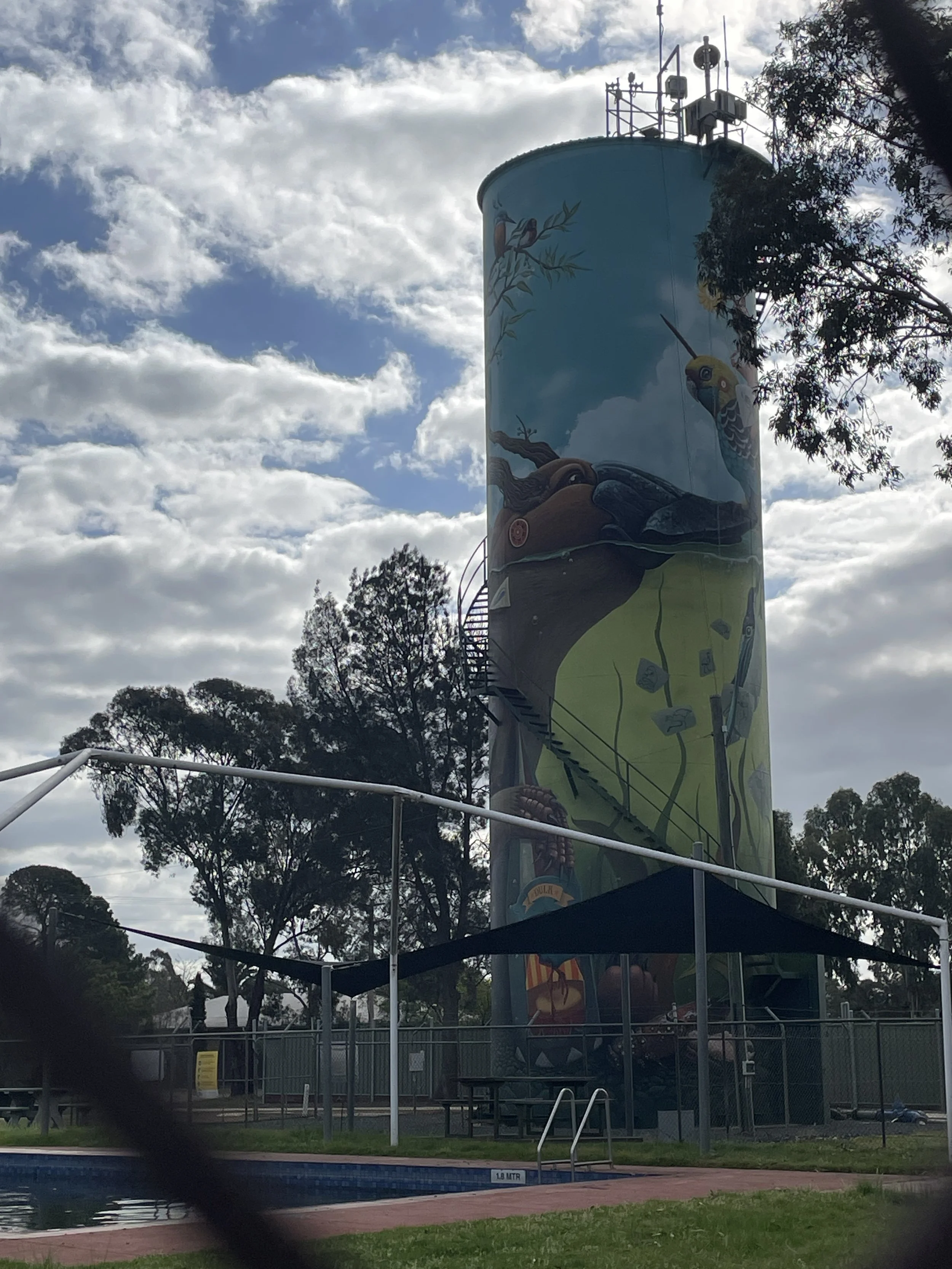
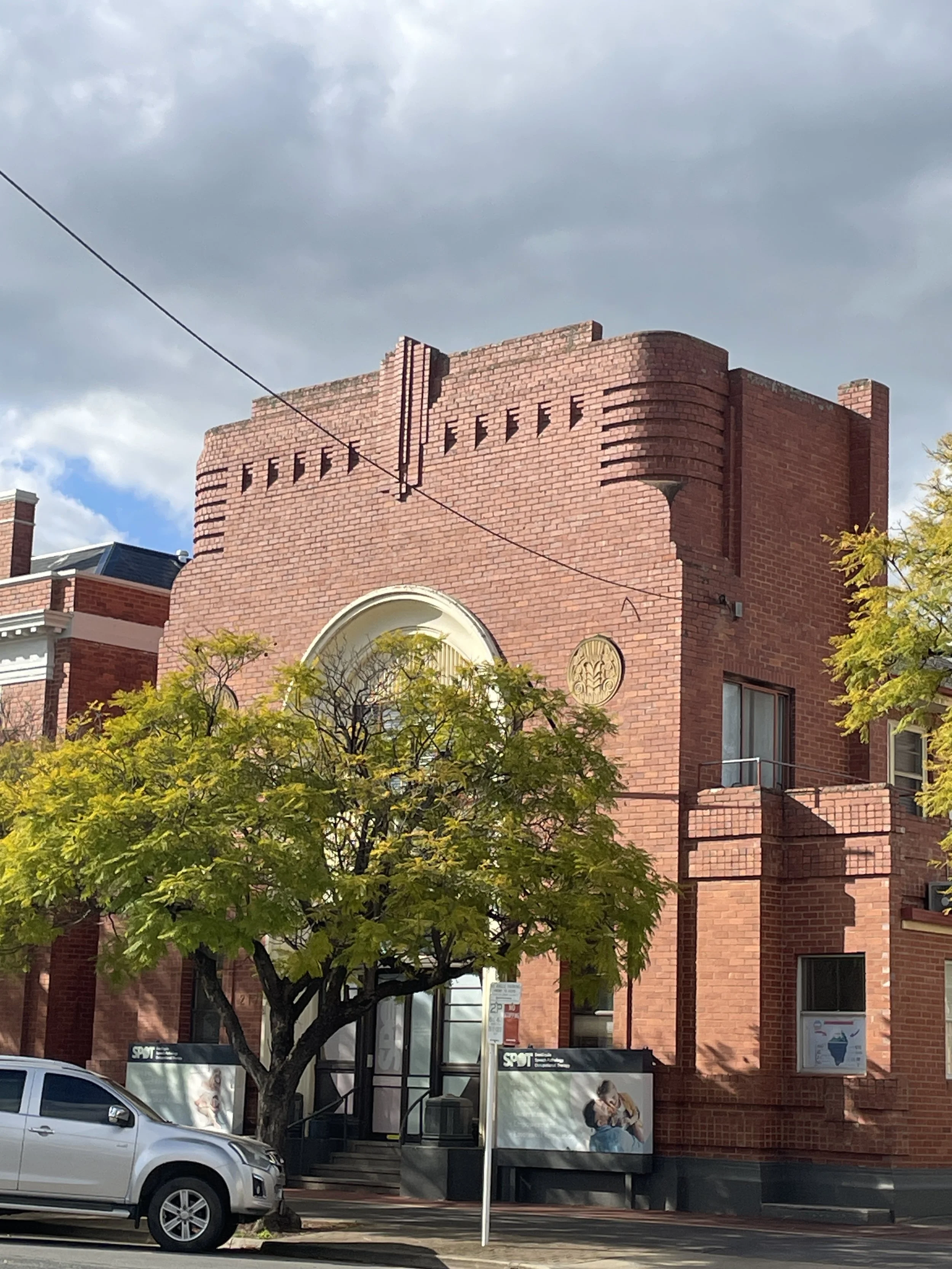
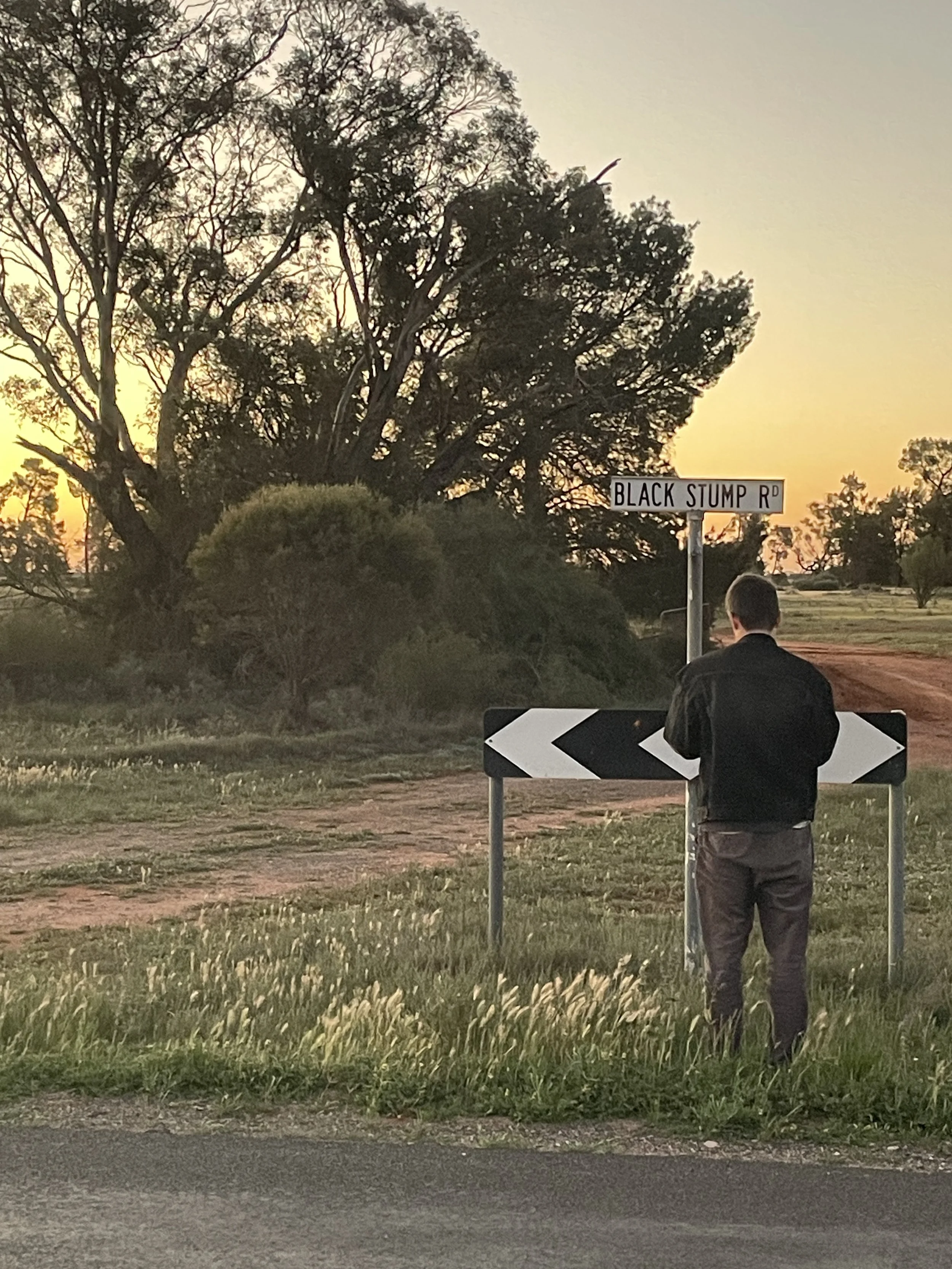
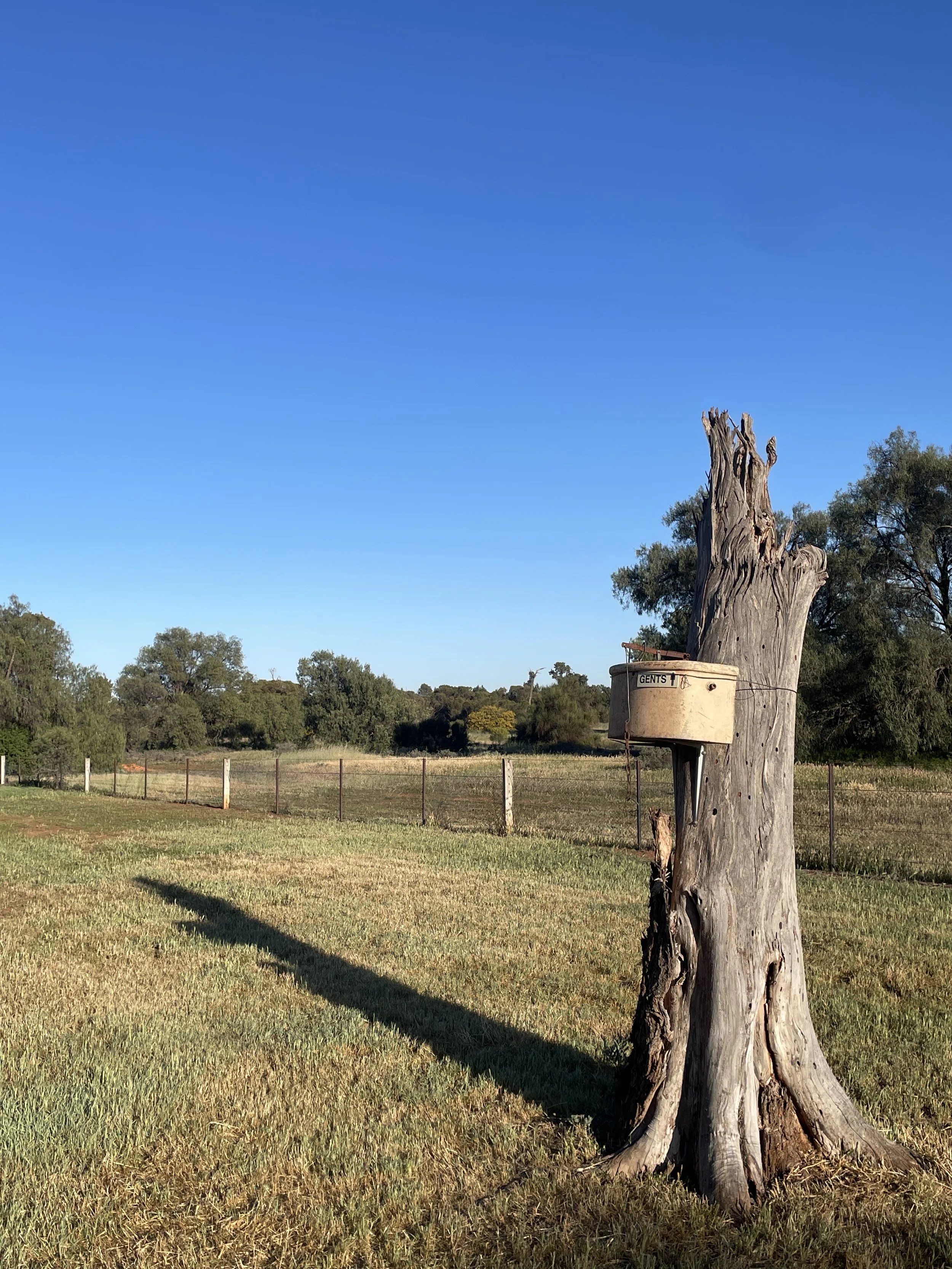
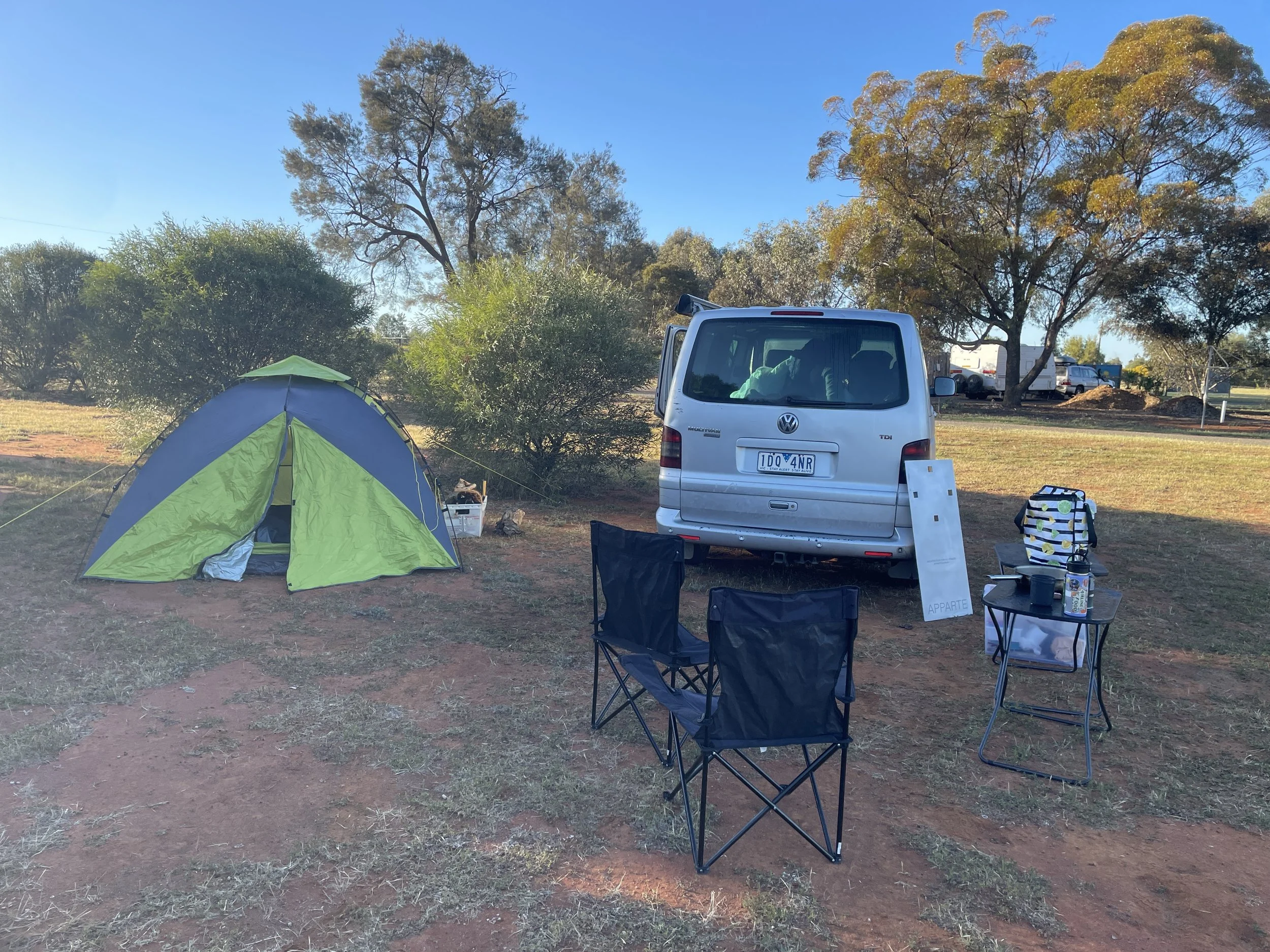
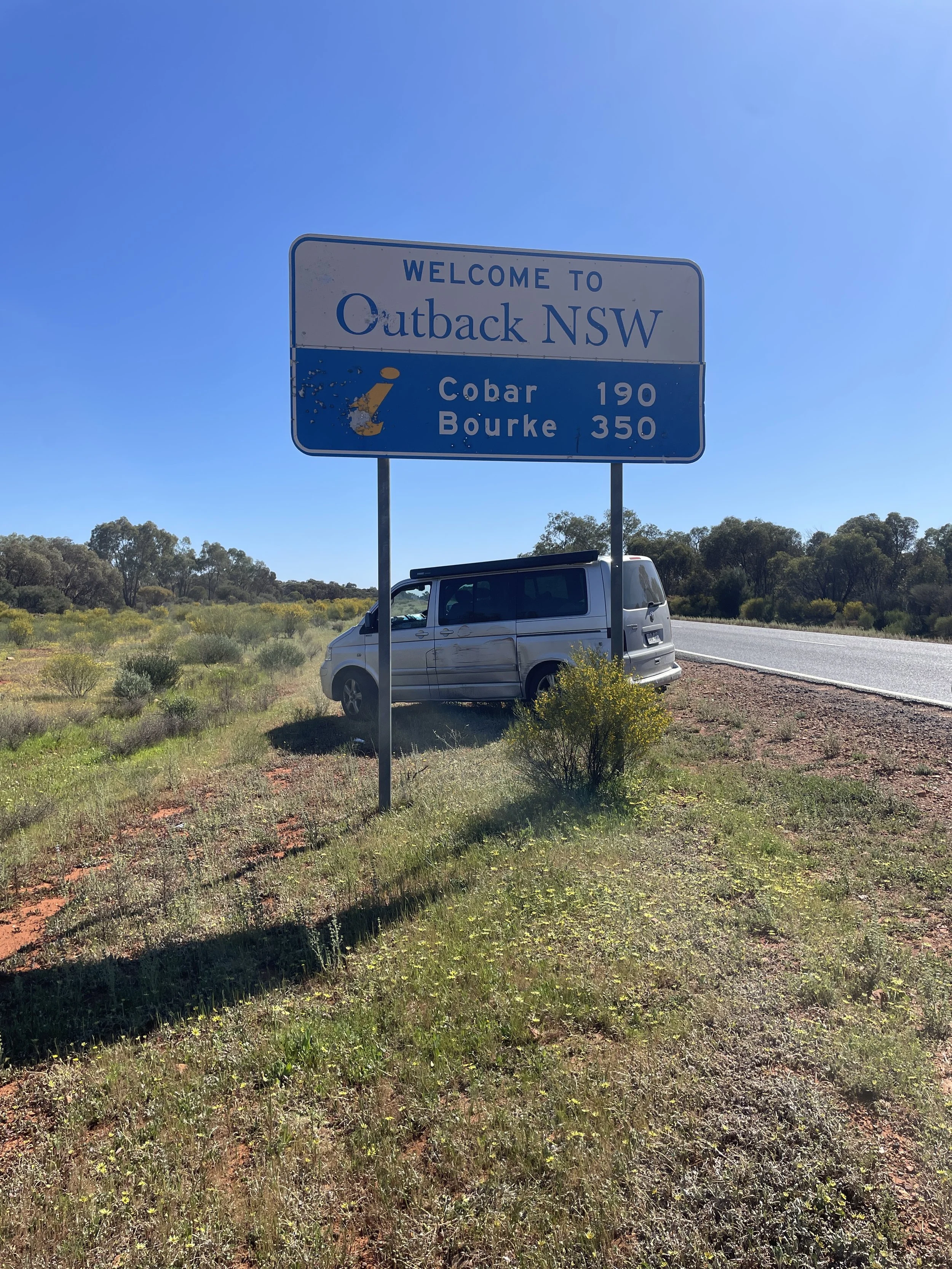
The following morning on Friday 18th September’26 brought more driving, roadside catering and some spectacular country — although the wild emus and goats were apparently determined not to make it into my iPhone photos. Eventually, we pushed on through Hillston and Mount Hope to Cobar, where the real Day 1 of the conference began.
Welcome to Cobar
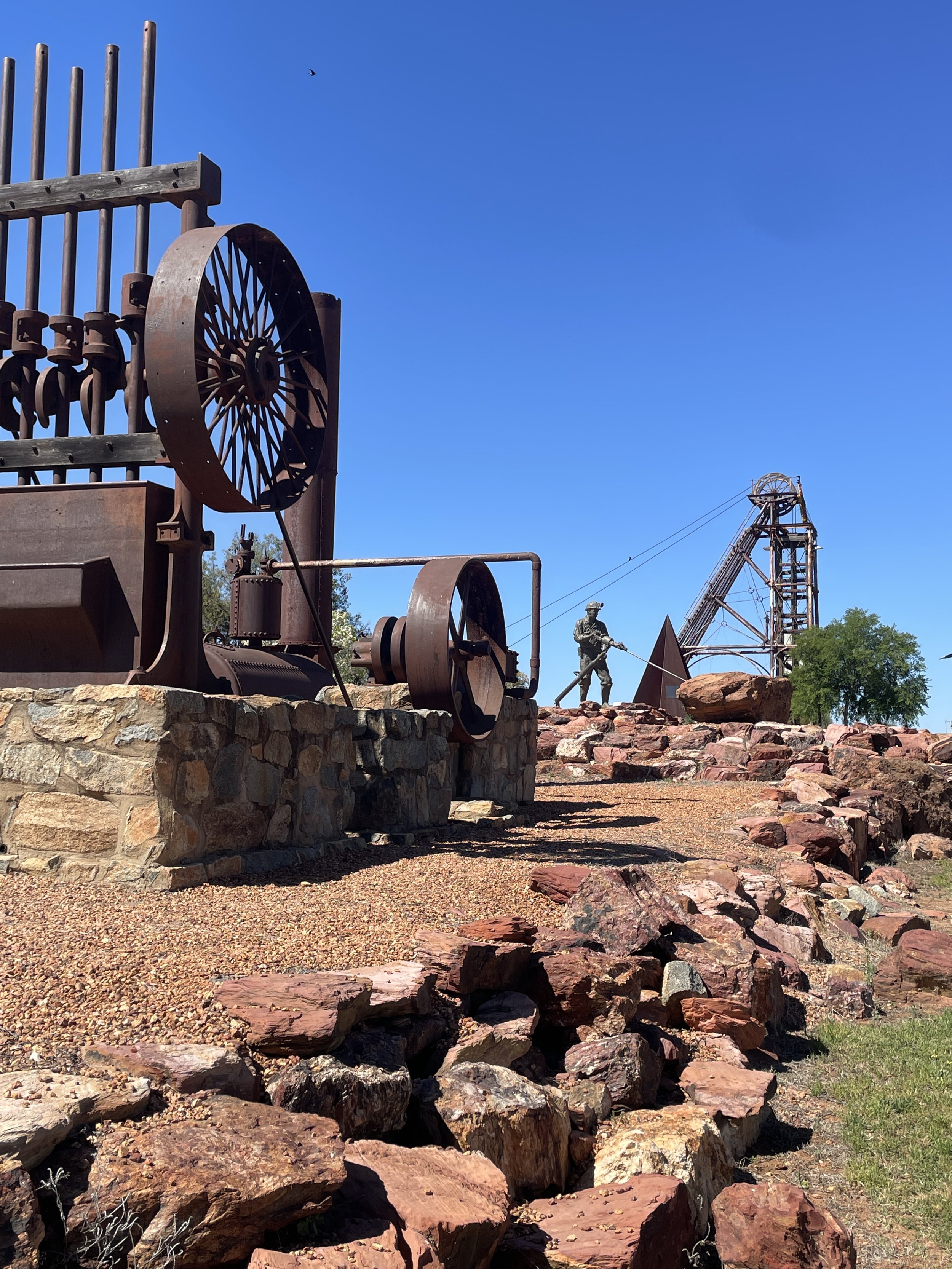
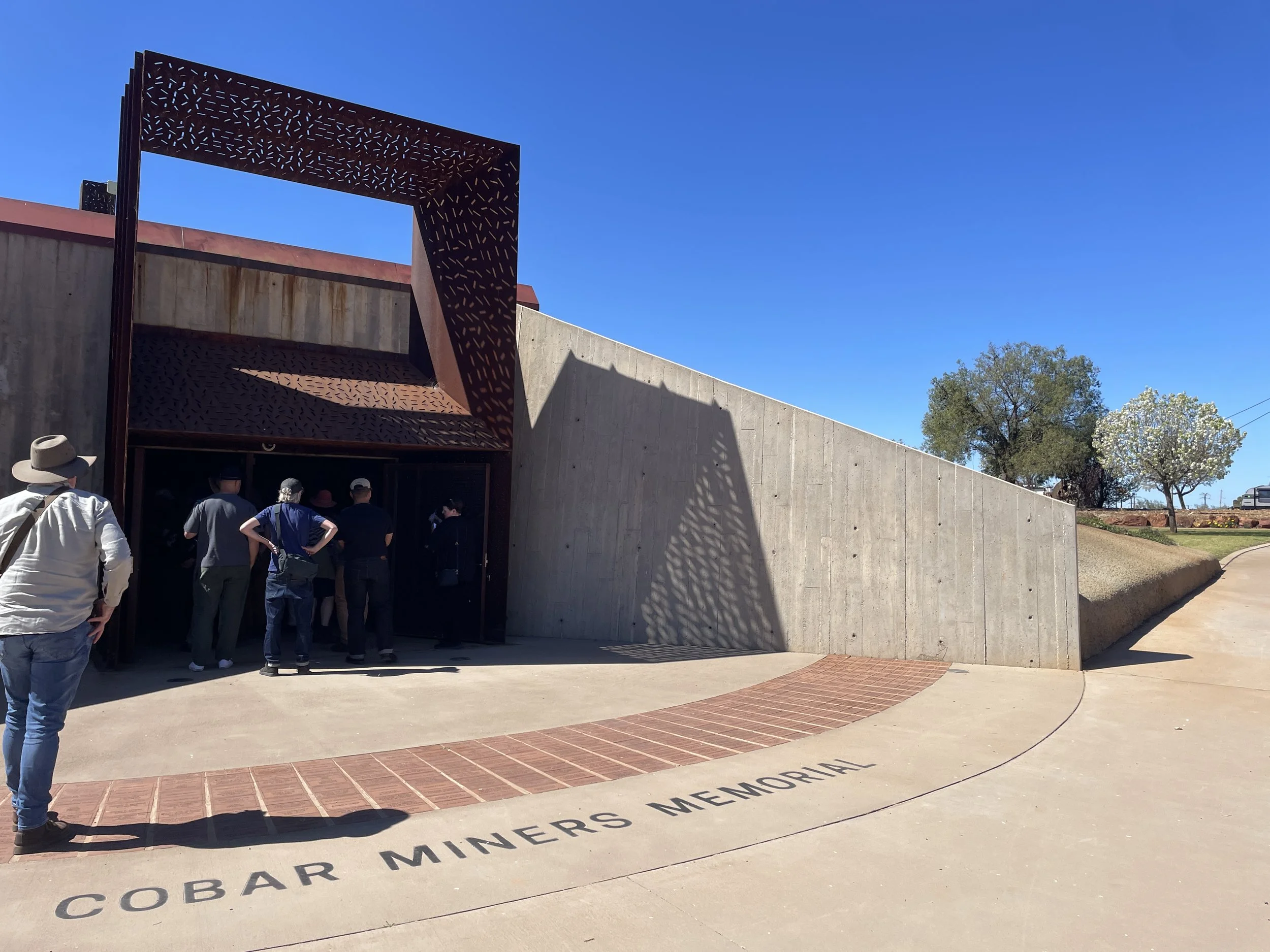
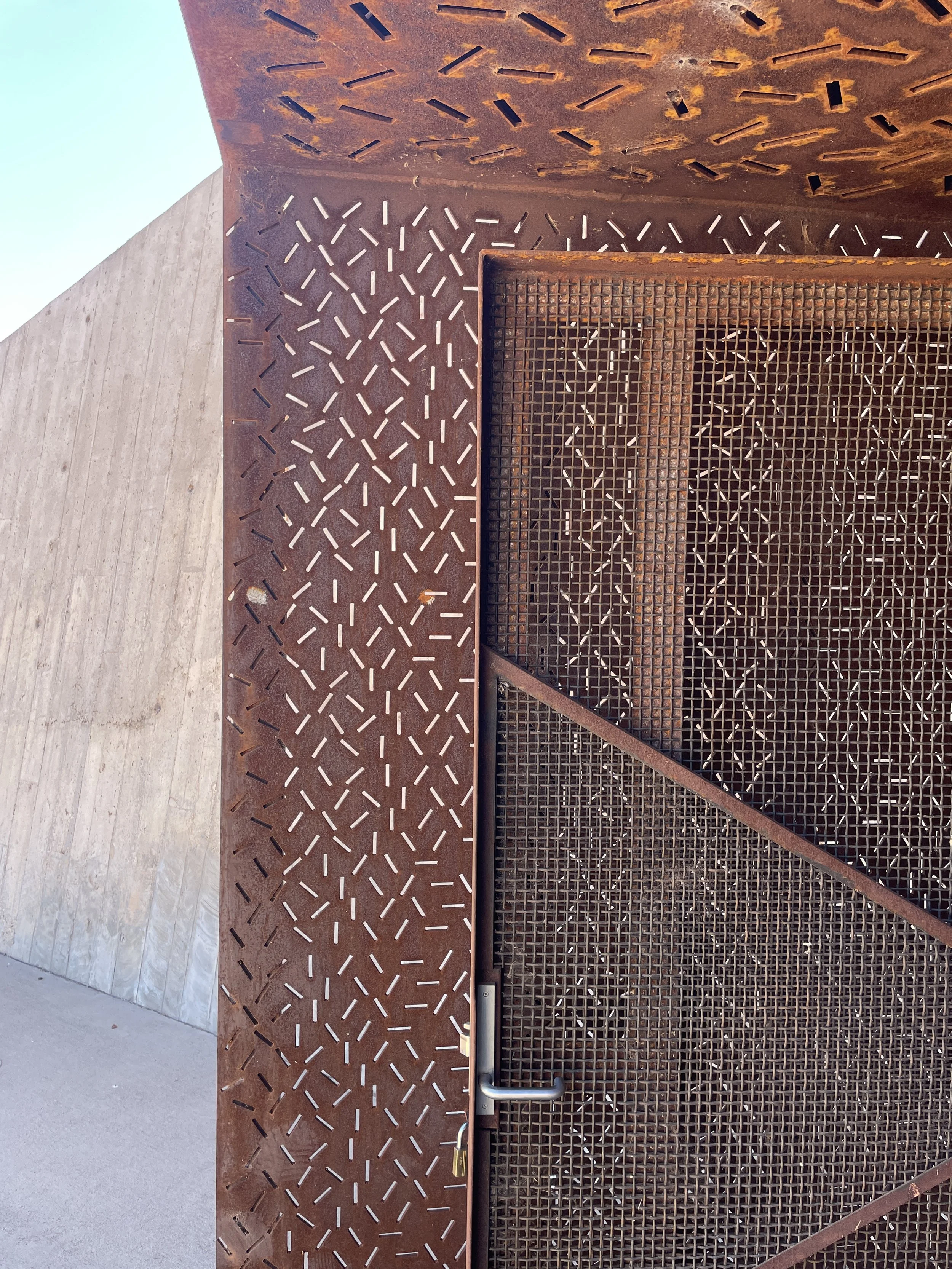
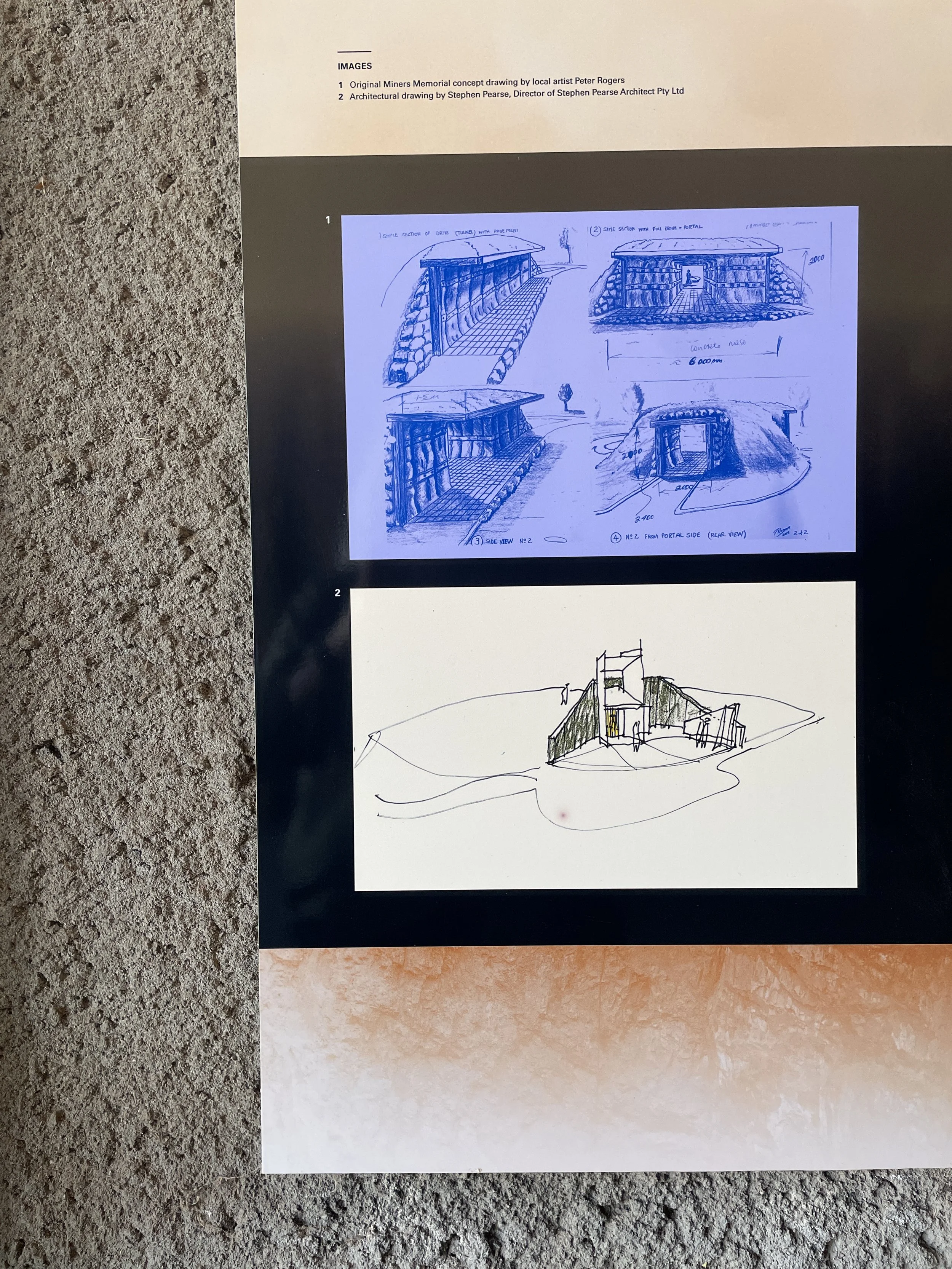
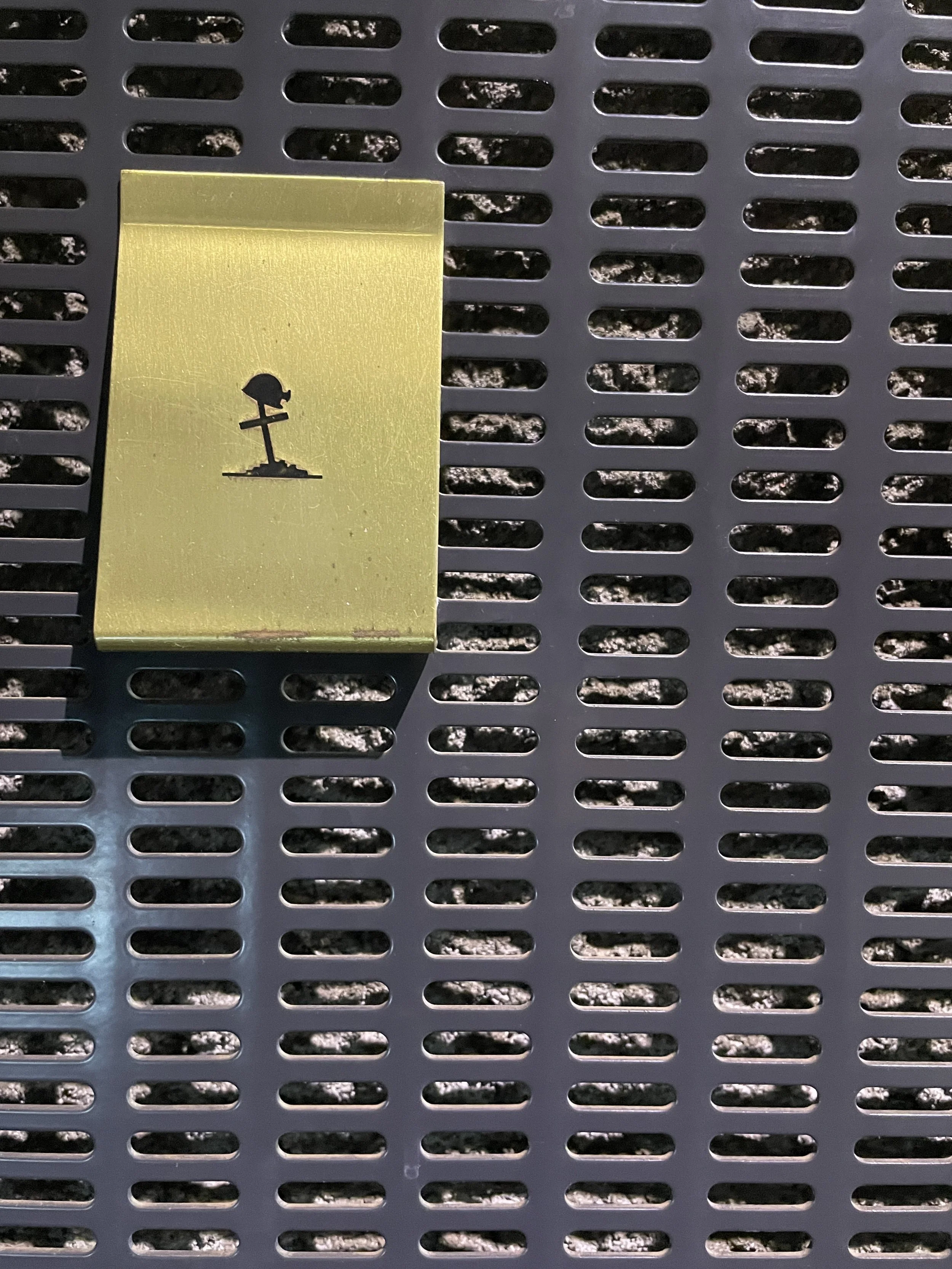
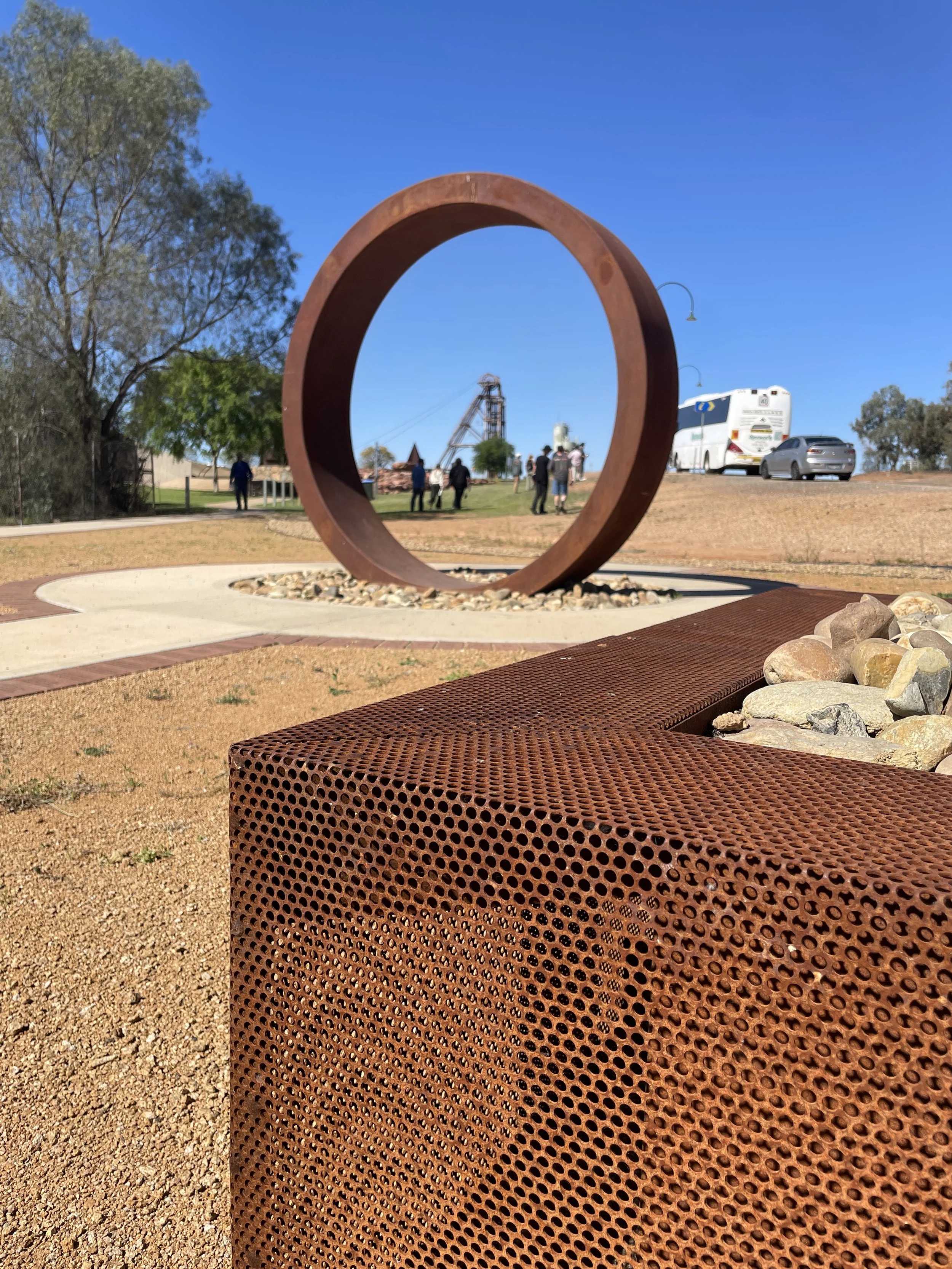
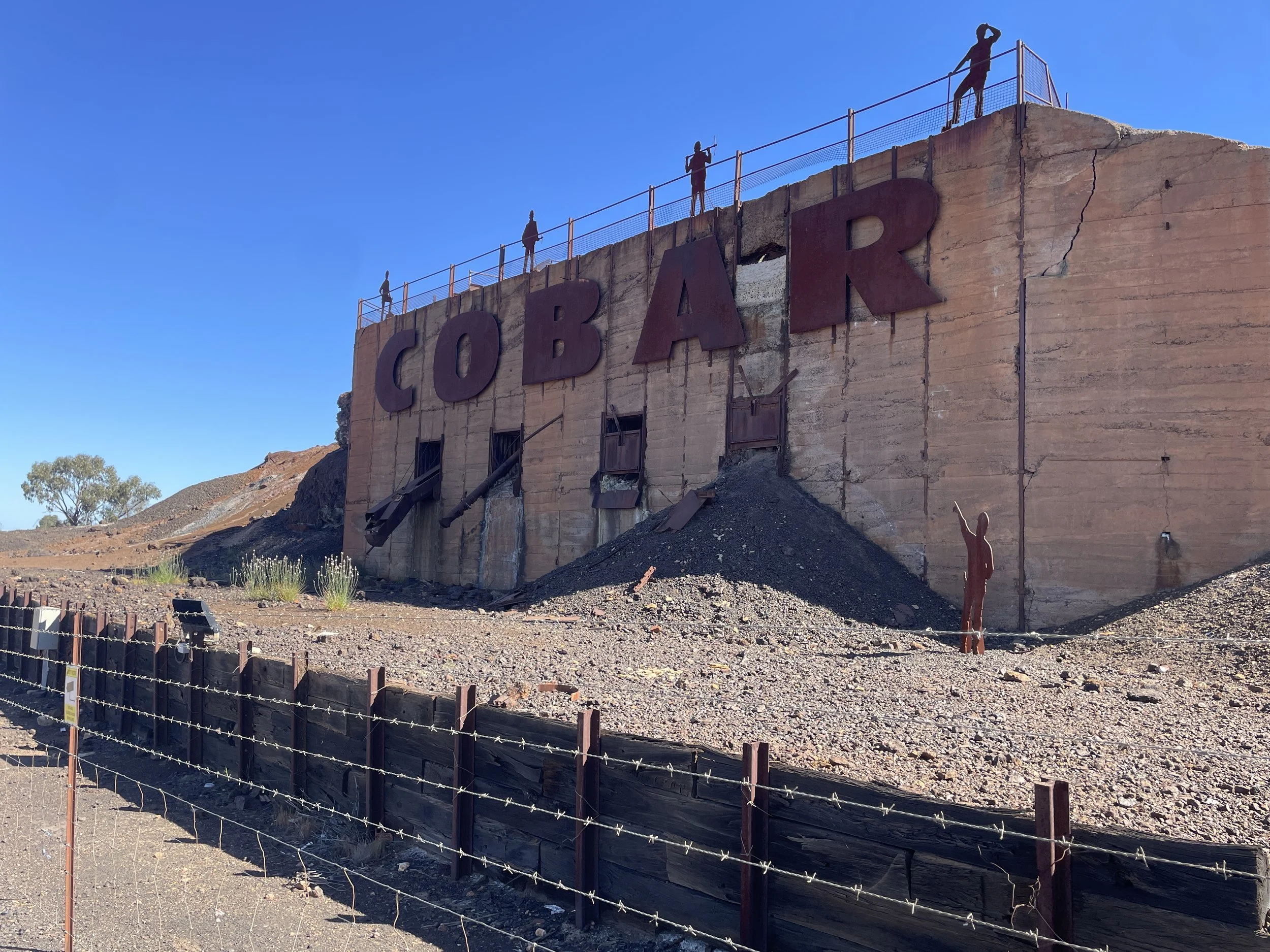
We were welcomed by Kay Stingemore from the Great Cobar Mine Museum and taken on a tour of the Miners Memorial by Stephen Pearce Architect, Fort Bourke Lookout, the Open Cut Mine and the town itself.
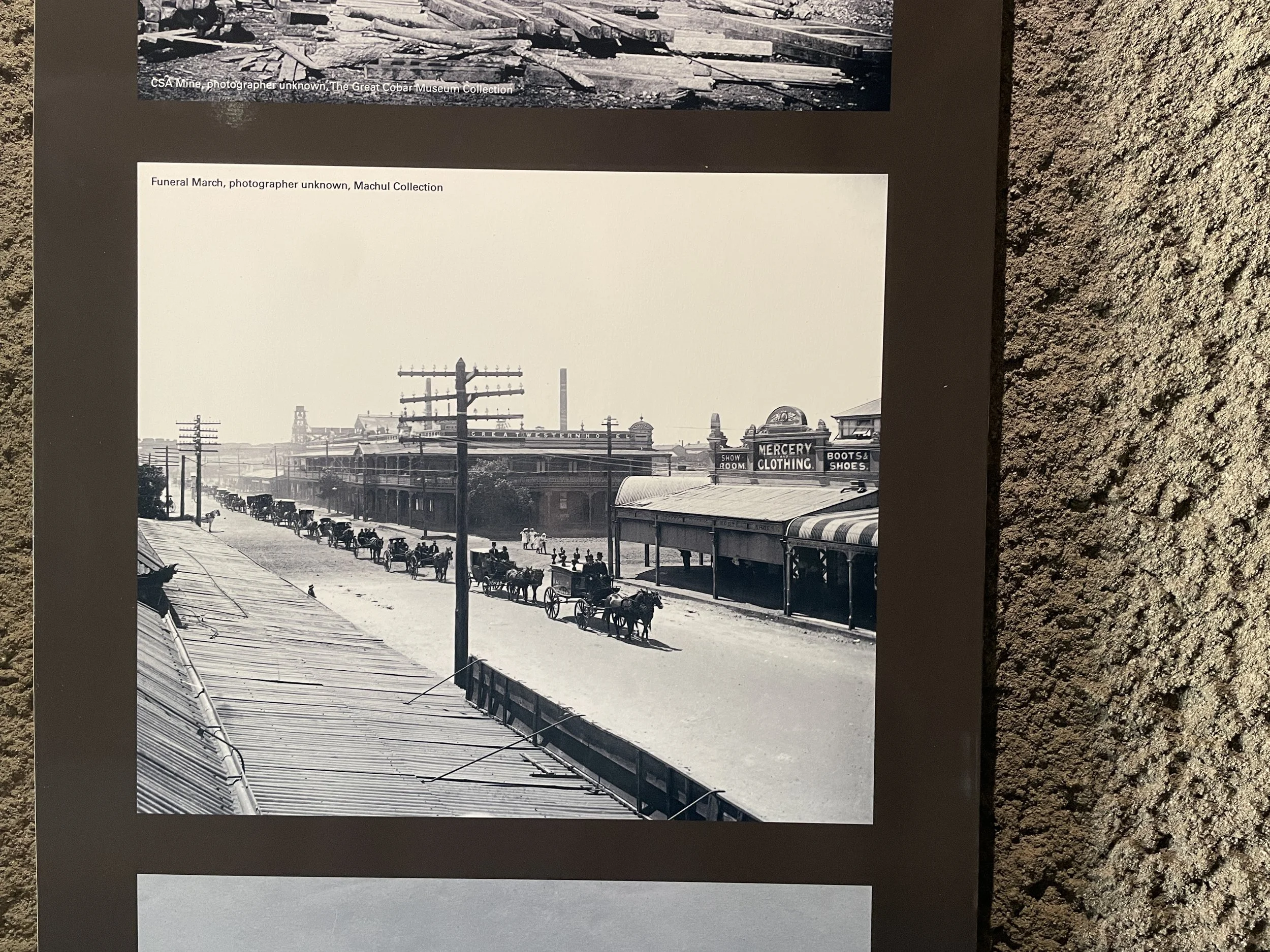
Factchecks and citations are welcome, that out of the way Cobar is an Outback NSW town on Ngiyampaa Country, within the country of the Wangaibon people. The name Cobar is thought to derive from the Ngiyampaa kubbur or kuparr, meaning ‘red earth’ or ‘burnt earth’. Mining has shaped the town since the 1870s, when English miners discovered green and blue staining around the Kubbur waterhole. Kay also introduced us to a wonderful local term: “Iron Ringers” — Cobar locals born and bred, who retain an unbreakable connection to the town and its people wherever life takes them.
There were plenty of stories along the way, including those of the migrant communities who helped shape Cobar. I was particularly intrigued by the Towser Huts, built by Swiss-Italian migrant Antonio Touzi — or “Touzzie” — at Fort Bourke in the early 1900s – he ended up having quite a unique story of his own yet the storehouse and workers units shells still remain.
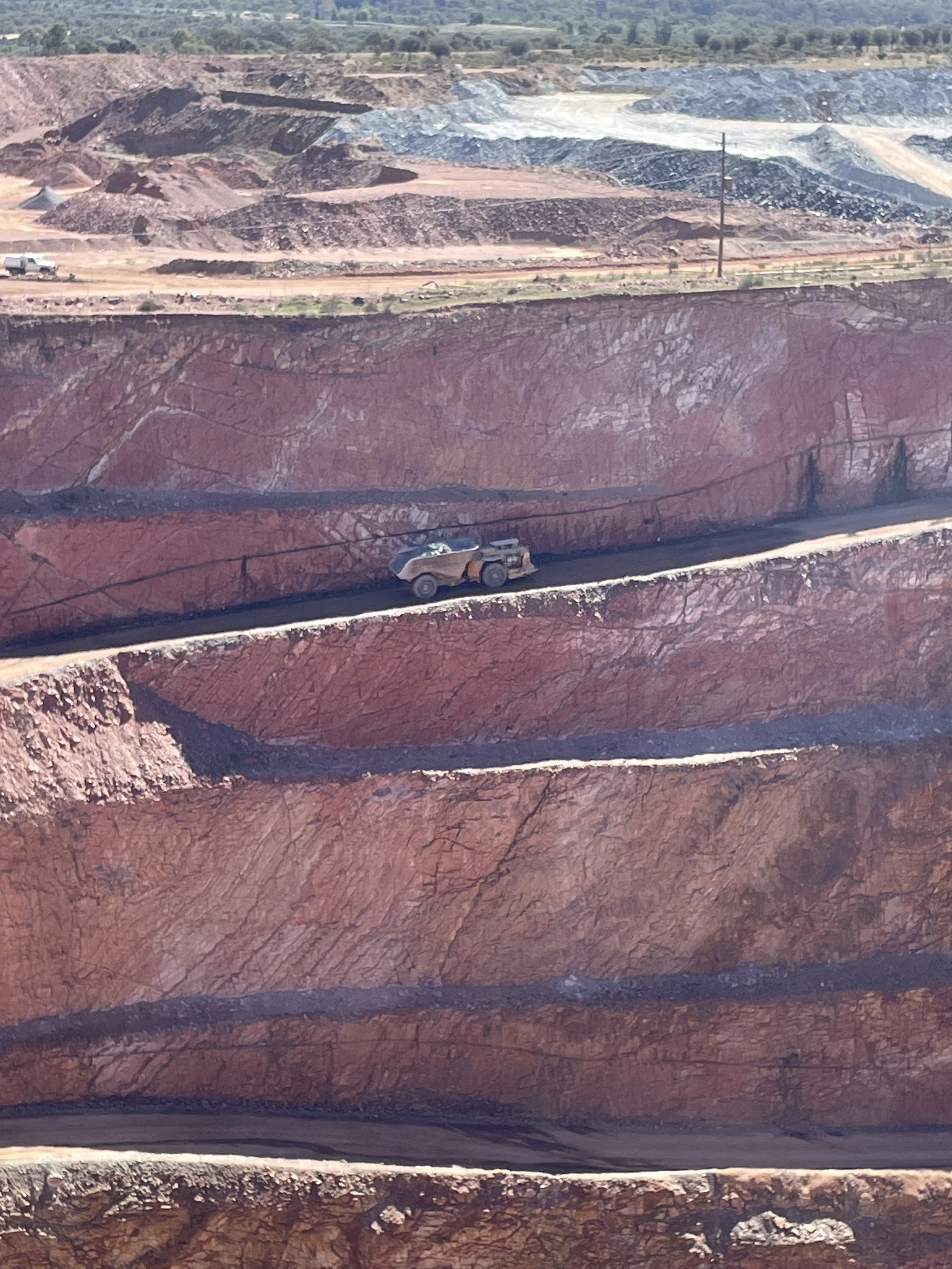
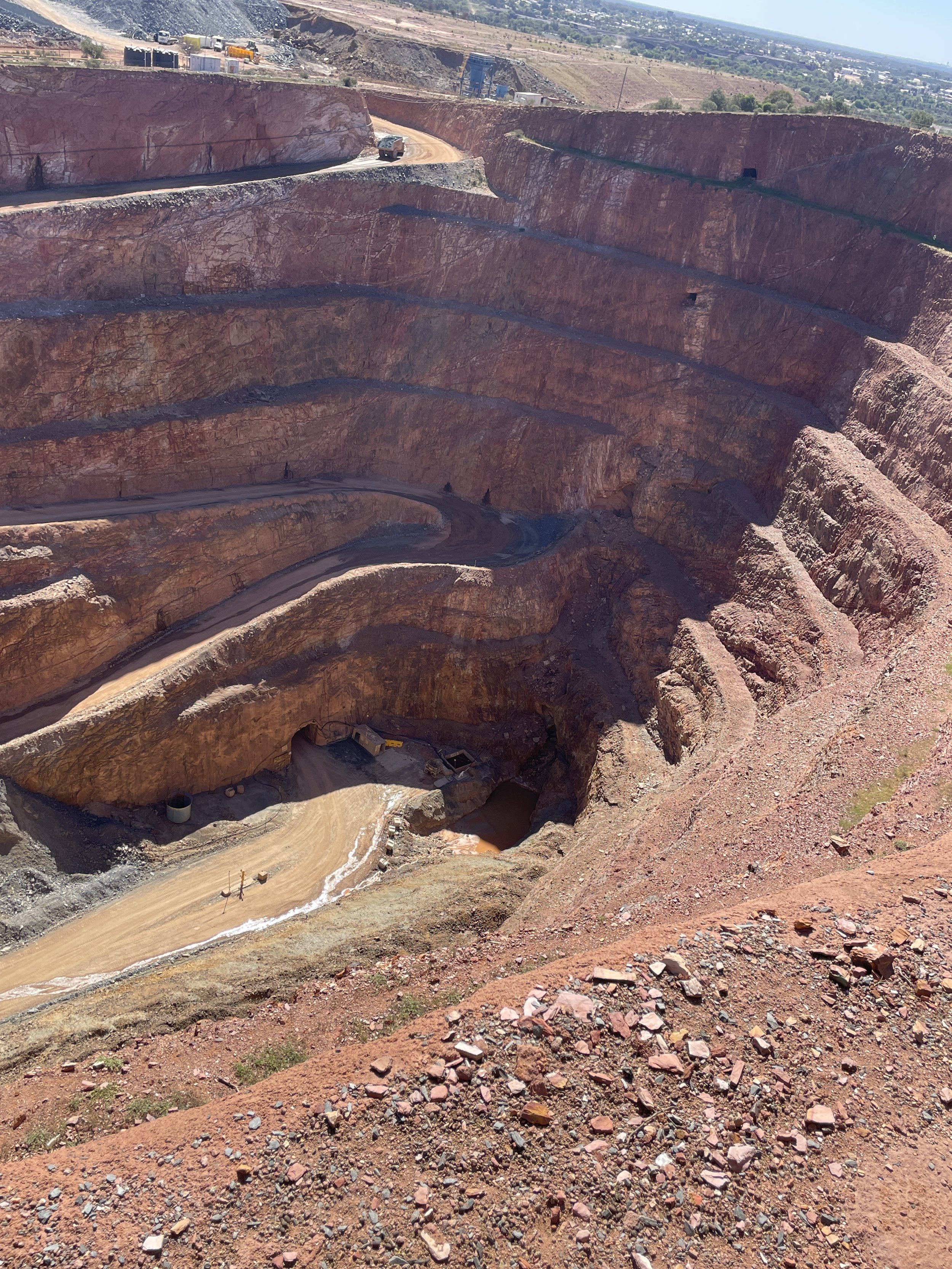
Oh that’s right - there was also the enormous hole in the ground, complete with mega-trucks operating around 150 metres below us, and a further 450 metres into the ground where a whole industry works around the clock extracting precious metals.
The Sound Chapel
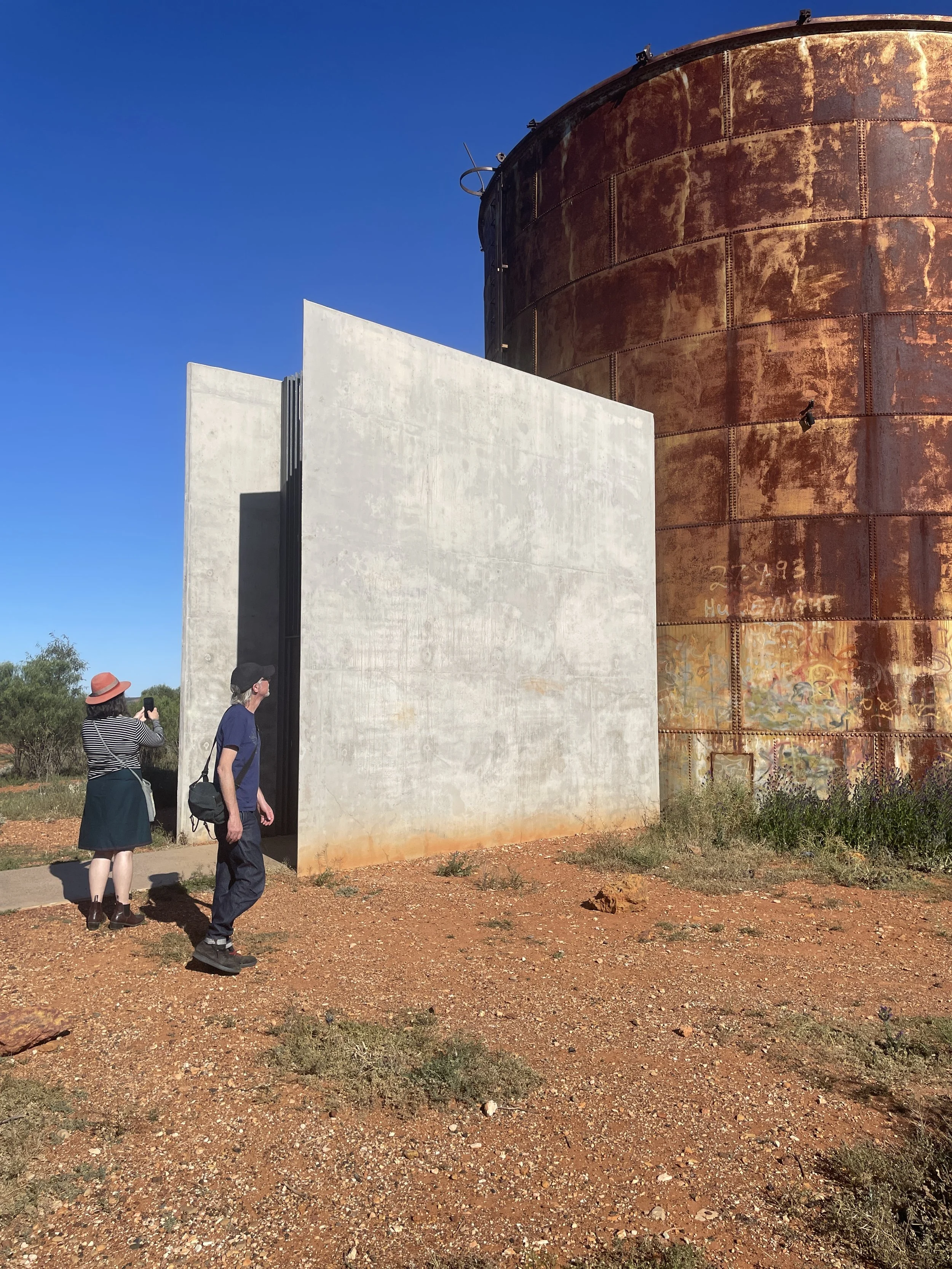
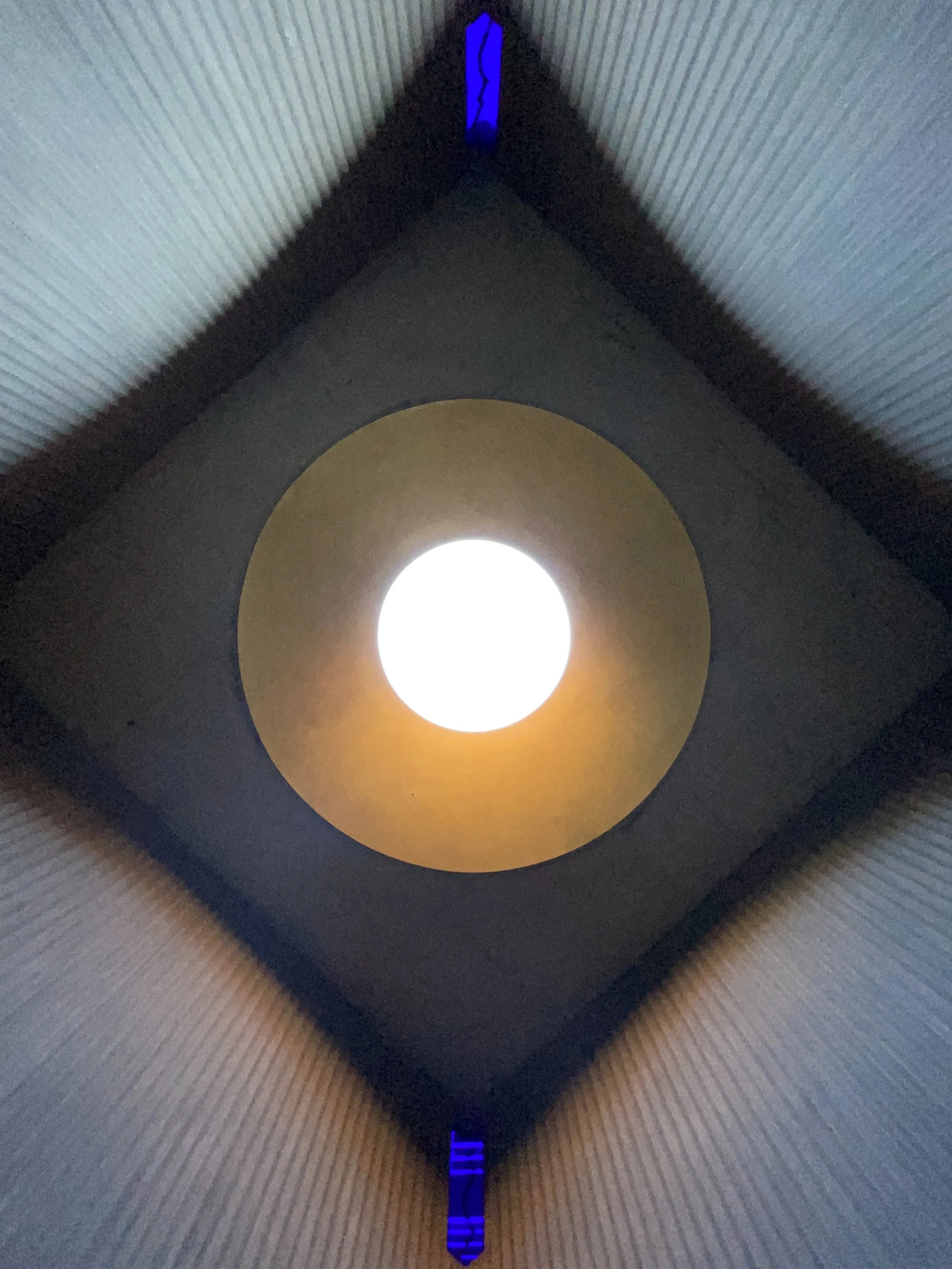
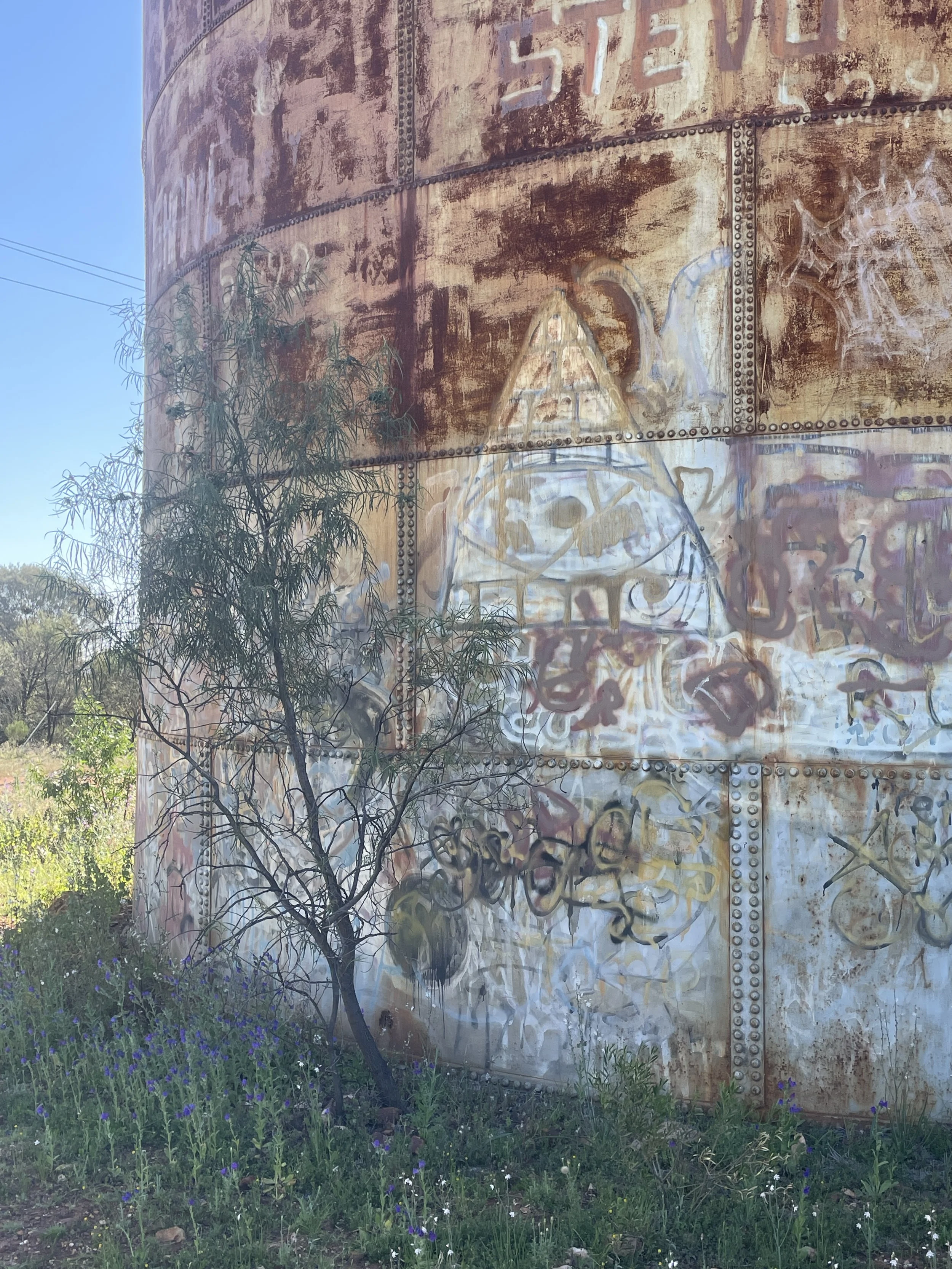
Later, we visited Glenn Murcutt’s Sound Chapel, located in a former water silo just outside town.
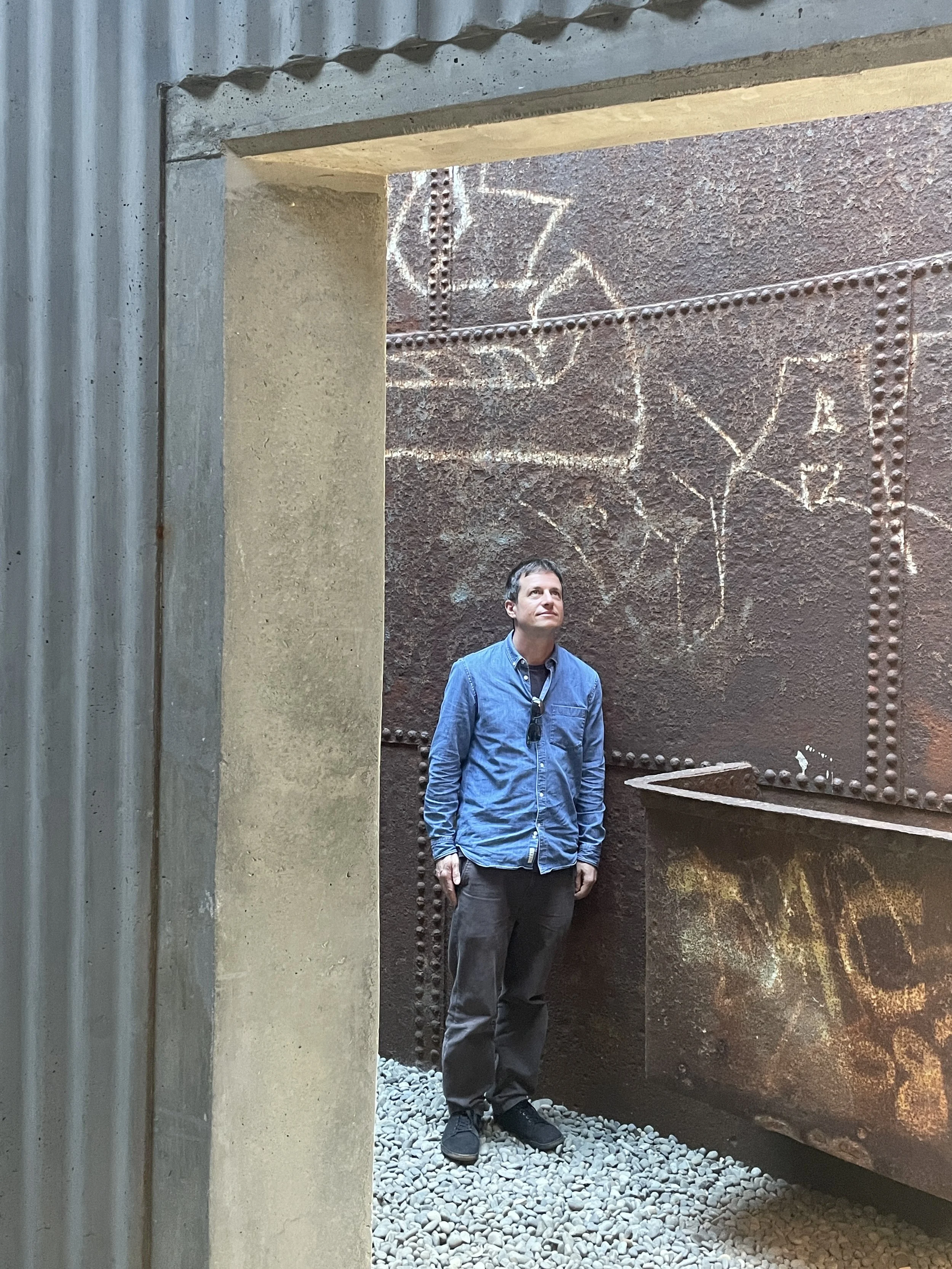
I was struck by its simplicity. A dilapidated water tank has been given an entirely new life, using light, shadow, colour and sound to create a surprisingly powerful space for contemplation. An oculus — reminiscent of those found in war memorials — casts changing light throughout the chapel during the day, accompanied by an immersive sound installation by George Lentz and The Noise String Quartet.
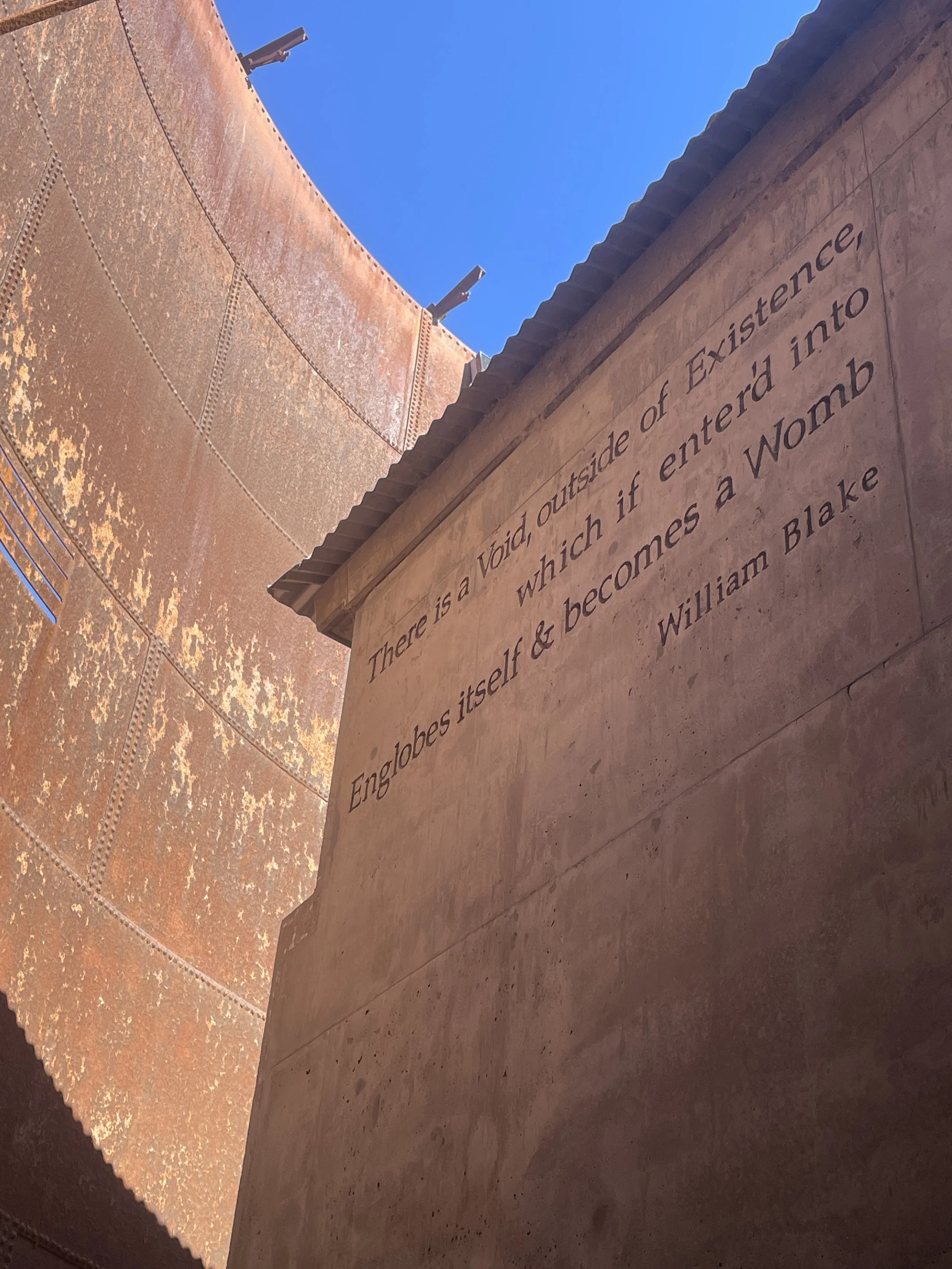
Inscribed on the chapel is an excerpt from William Blake’s poem “Jerusalem, The Emanation of the Giant Albion”…
There is a Void, outside of Existence,
which if enter'd into
Englobes itself & becomes a Womb
A simple idea, beautifully executed.
Just Write It Down
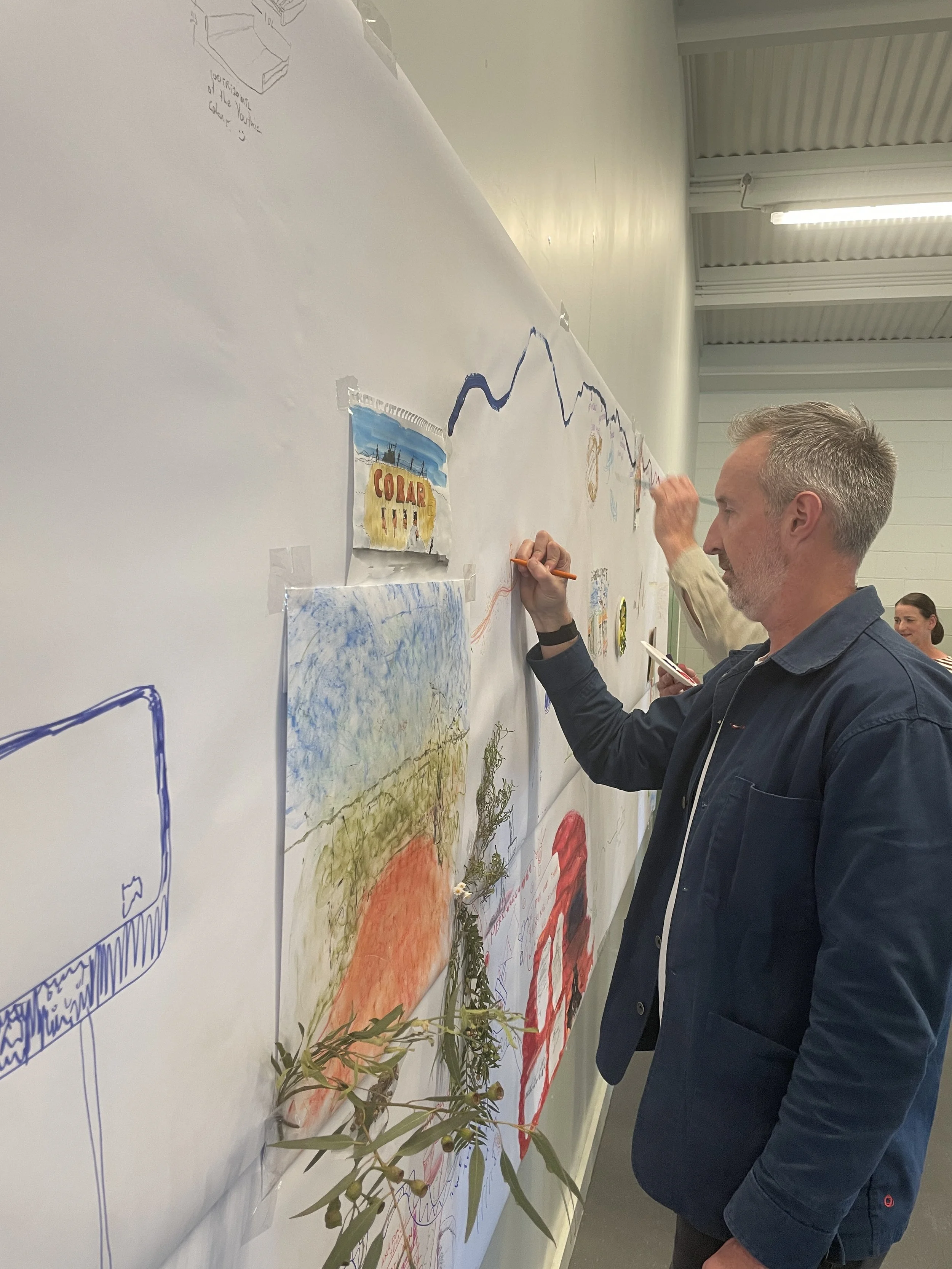
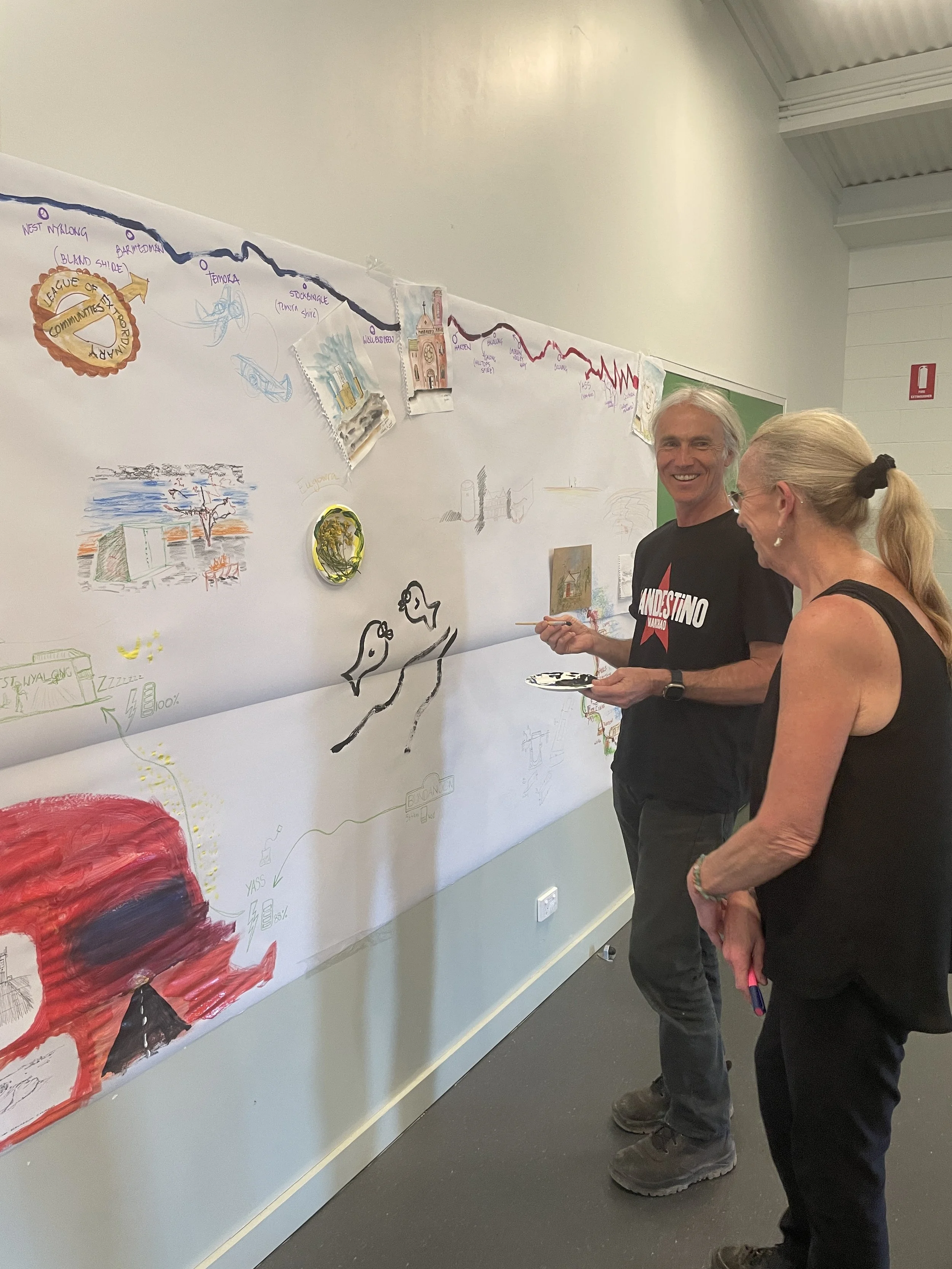
After a short break at the Cobar Youth Centre — aka The Youthie — RAA President Tim Lee opened the interactive session Journey Through Reflections.
The exercise was simple: just write it down. Participants shared their journeys to Cobar, gradually building a collective story as the conference progressed. The instruction was not to worry too much about how it looked or whether it was accurate — just tell the story of your journey.
It was a nice reminder that sometimes the most useful thing you can do is simply start putting things on the page.
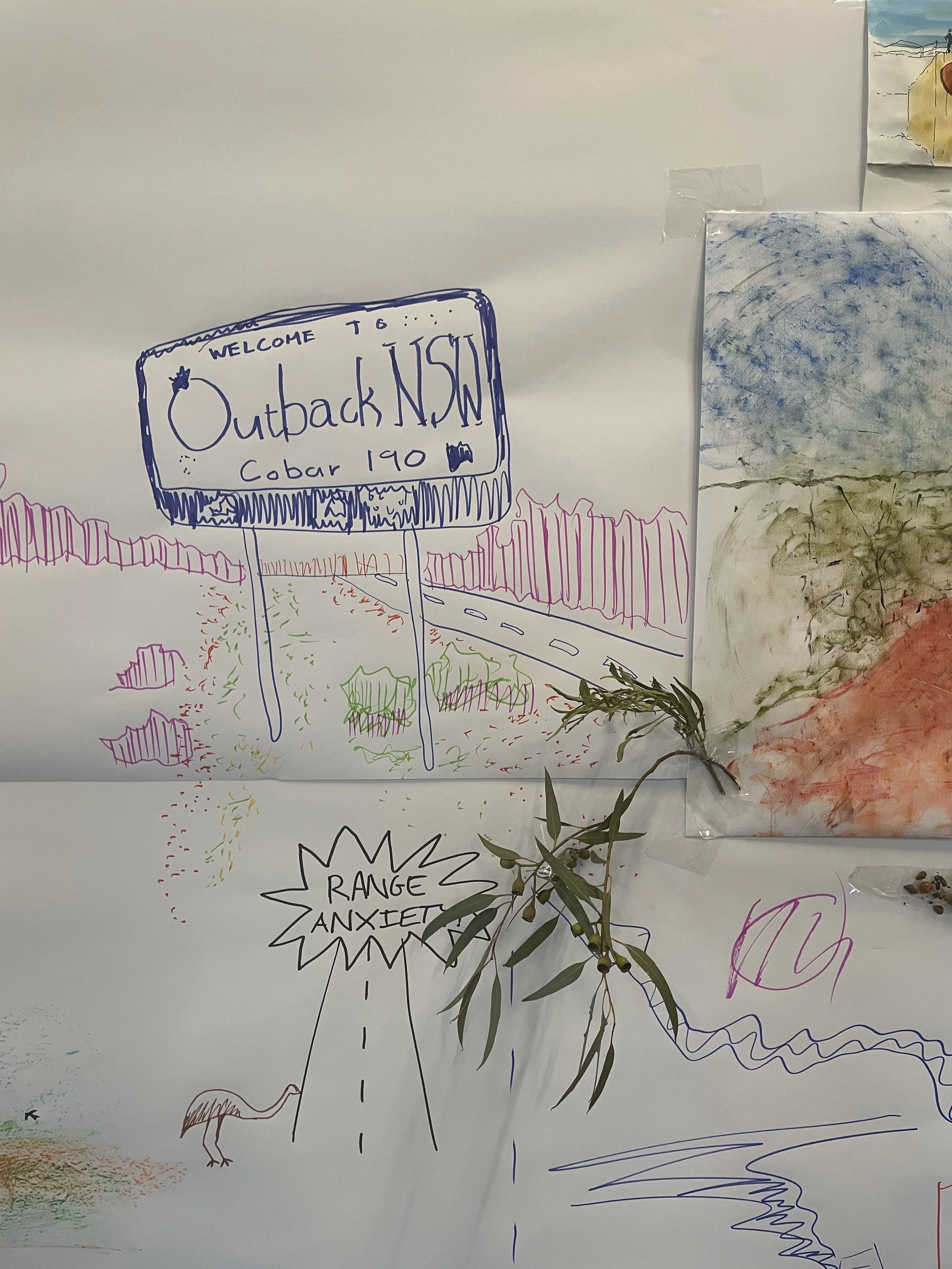
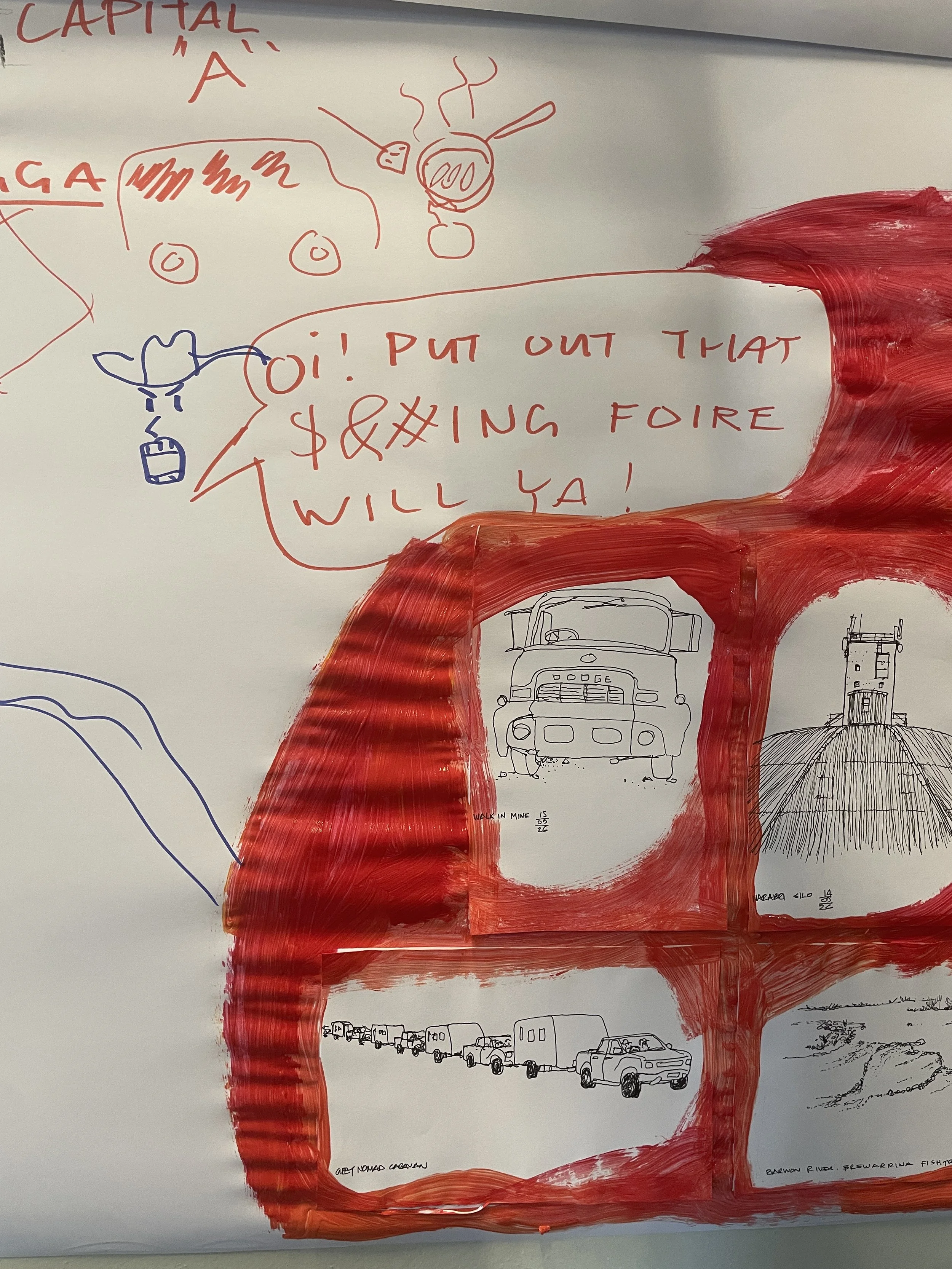
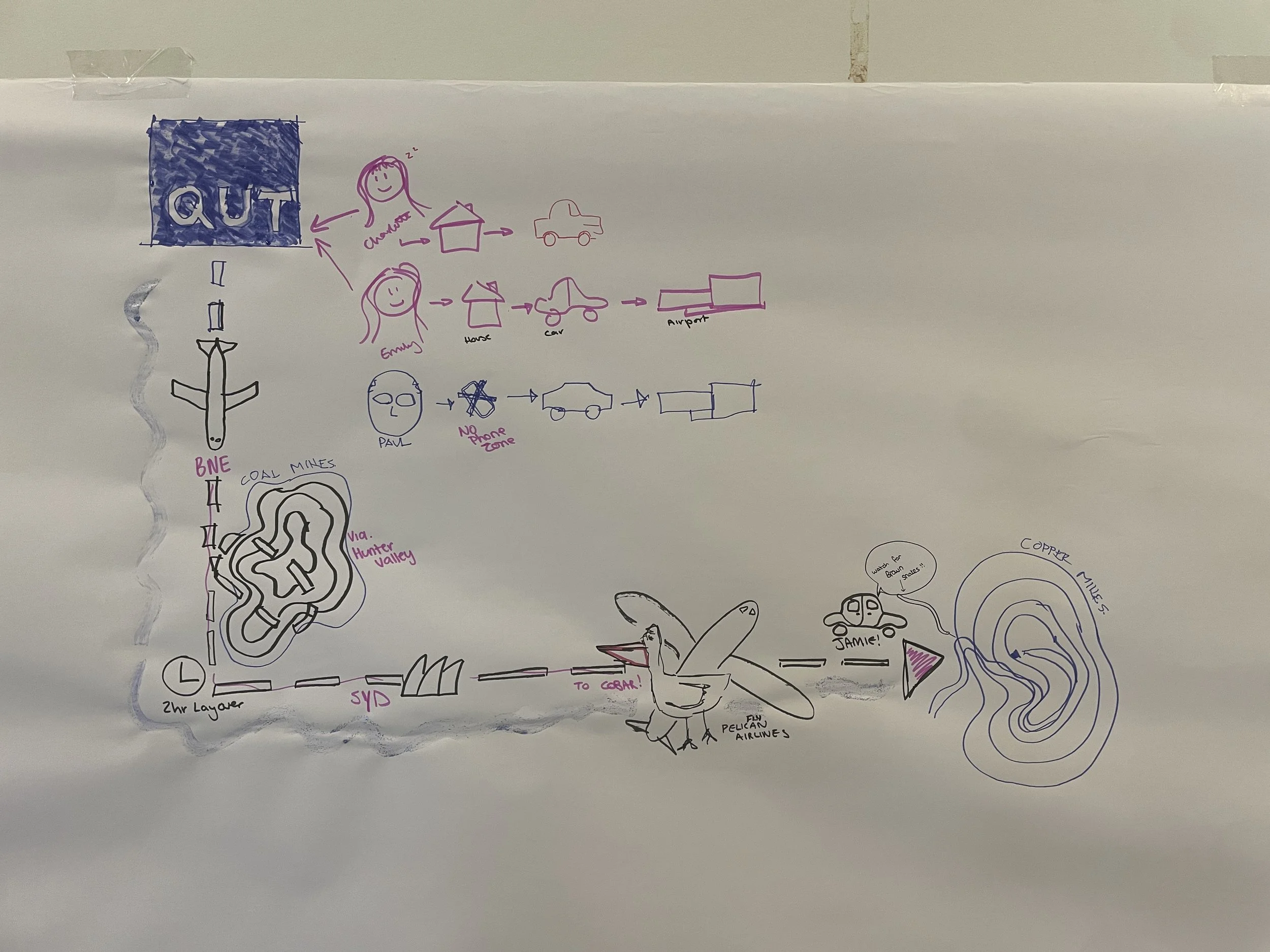
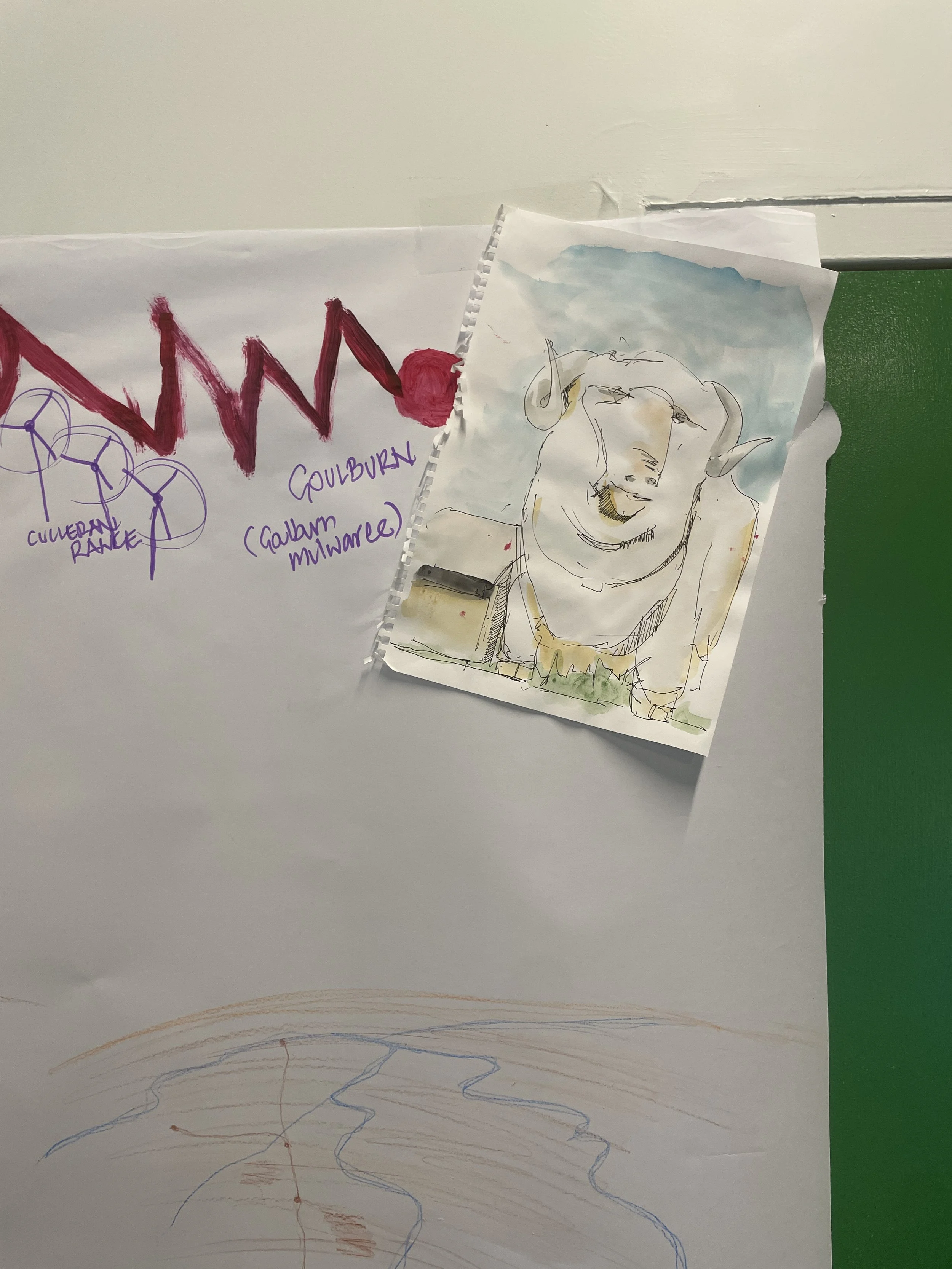
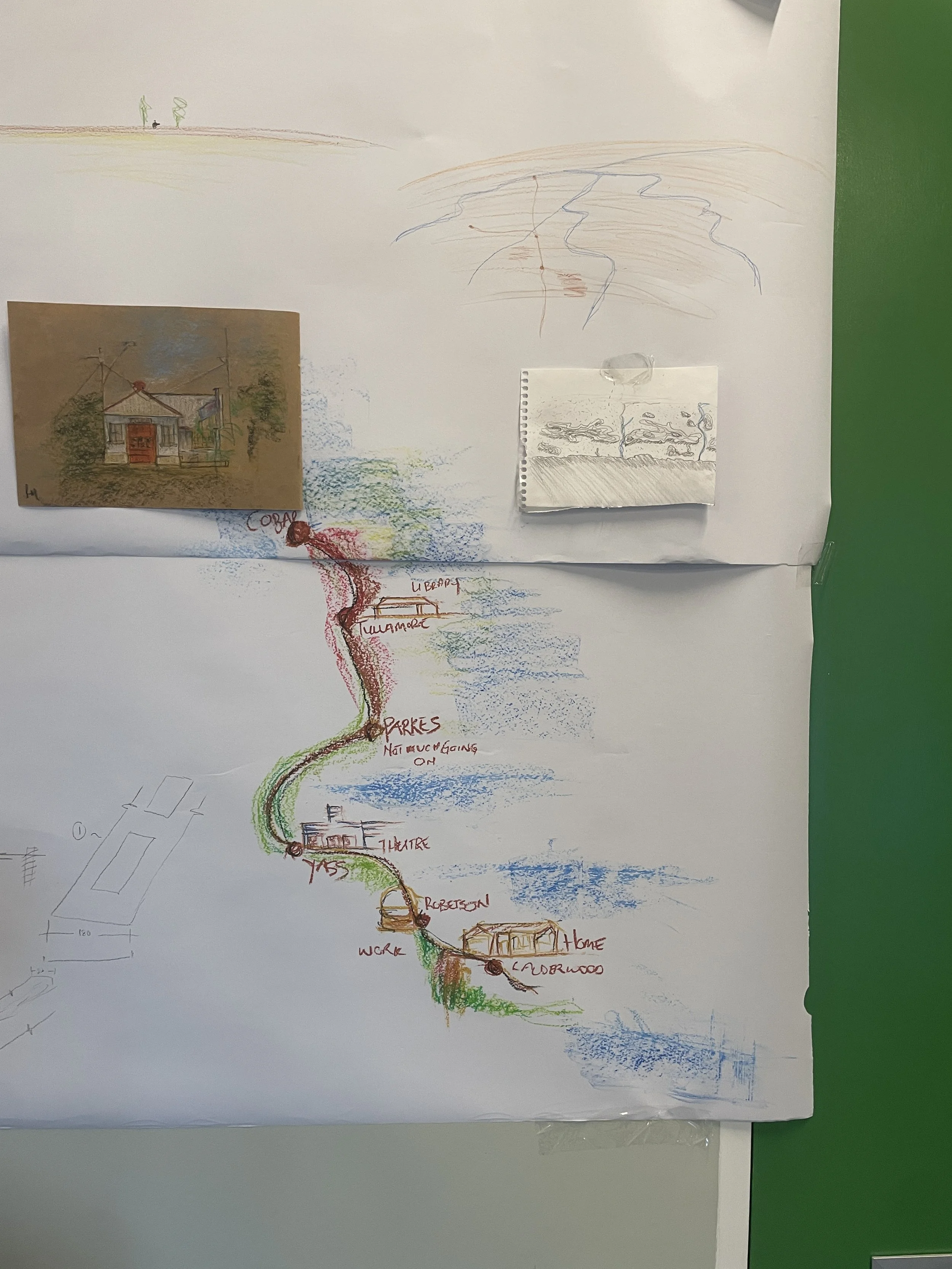
After a quick snooze at the caravan park, we headed to the Great Western Hotel for a wonderfully hearty long dinner, complete with plenty of toasts to our RAA hosts and conference creative directors. And honestly, I don’t think a $7 schooner has ever tasted so good.
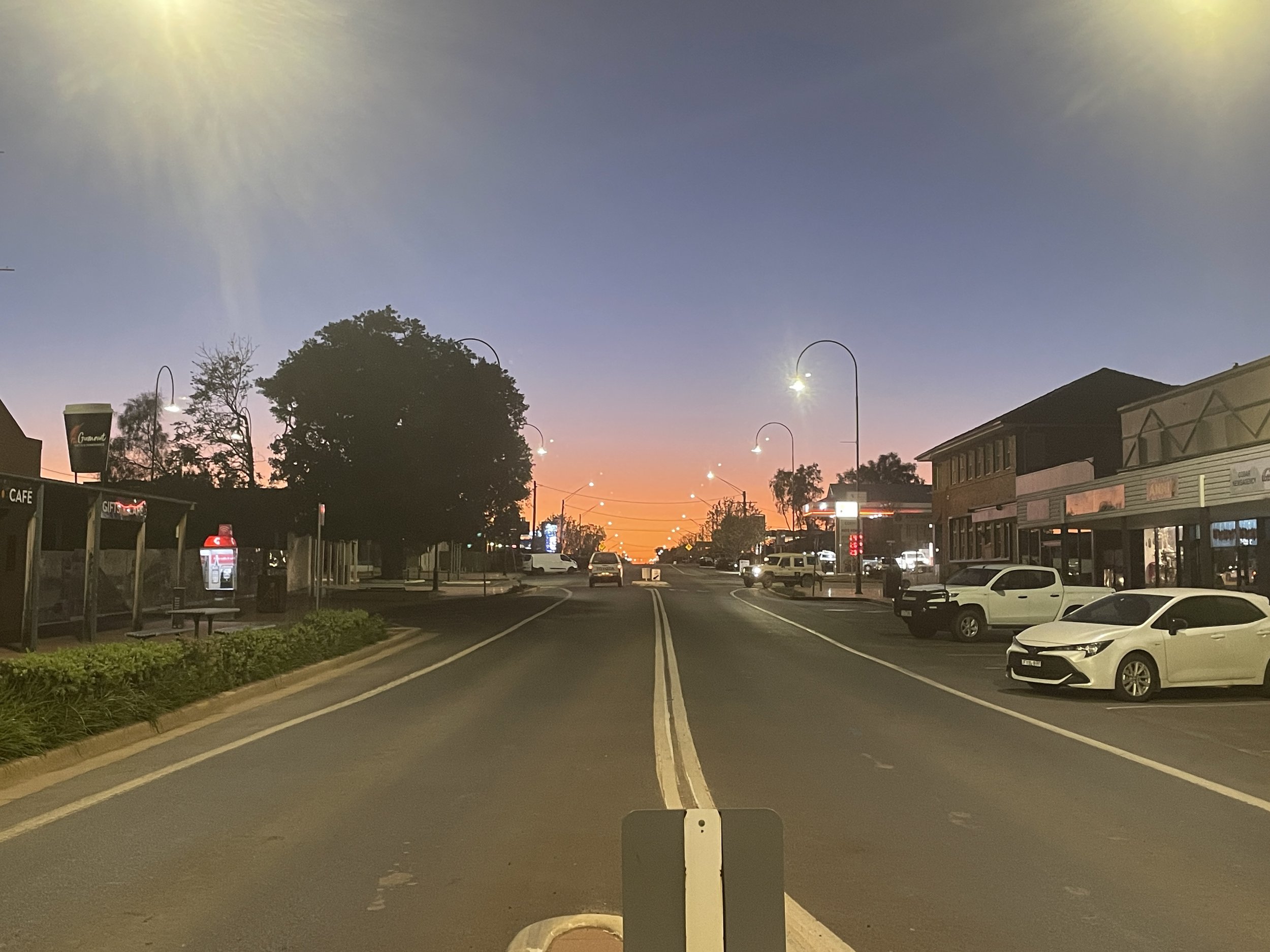
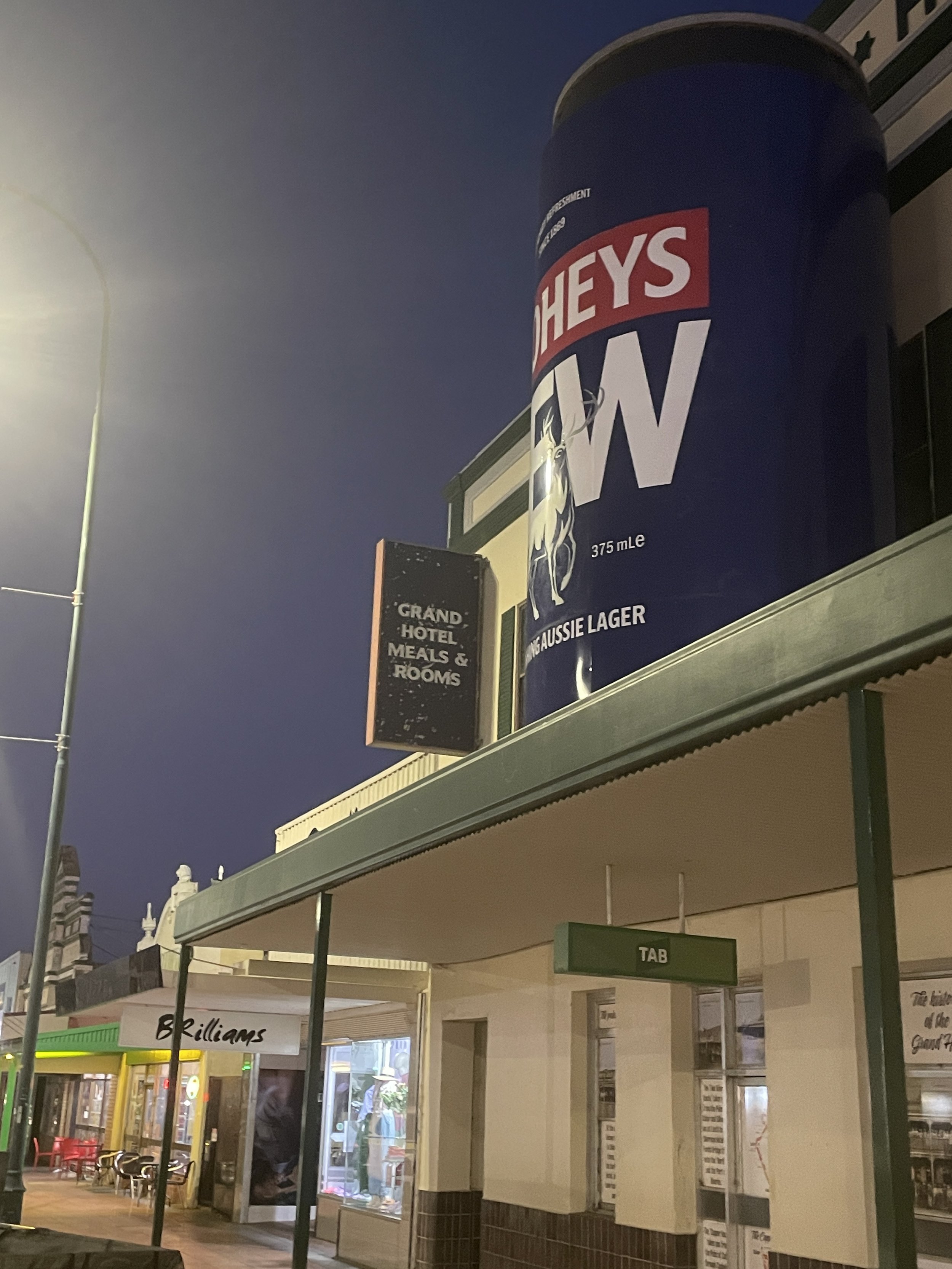
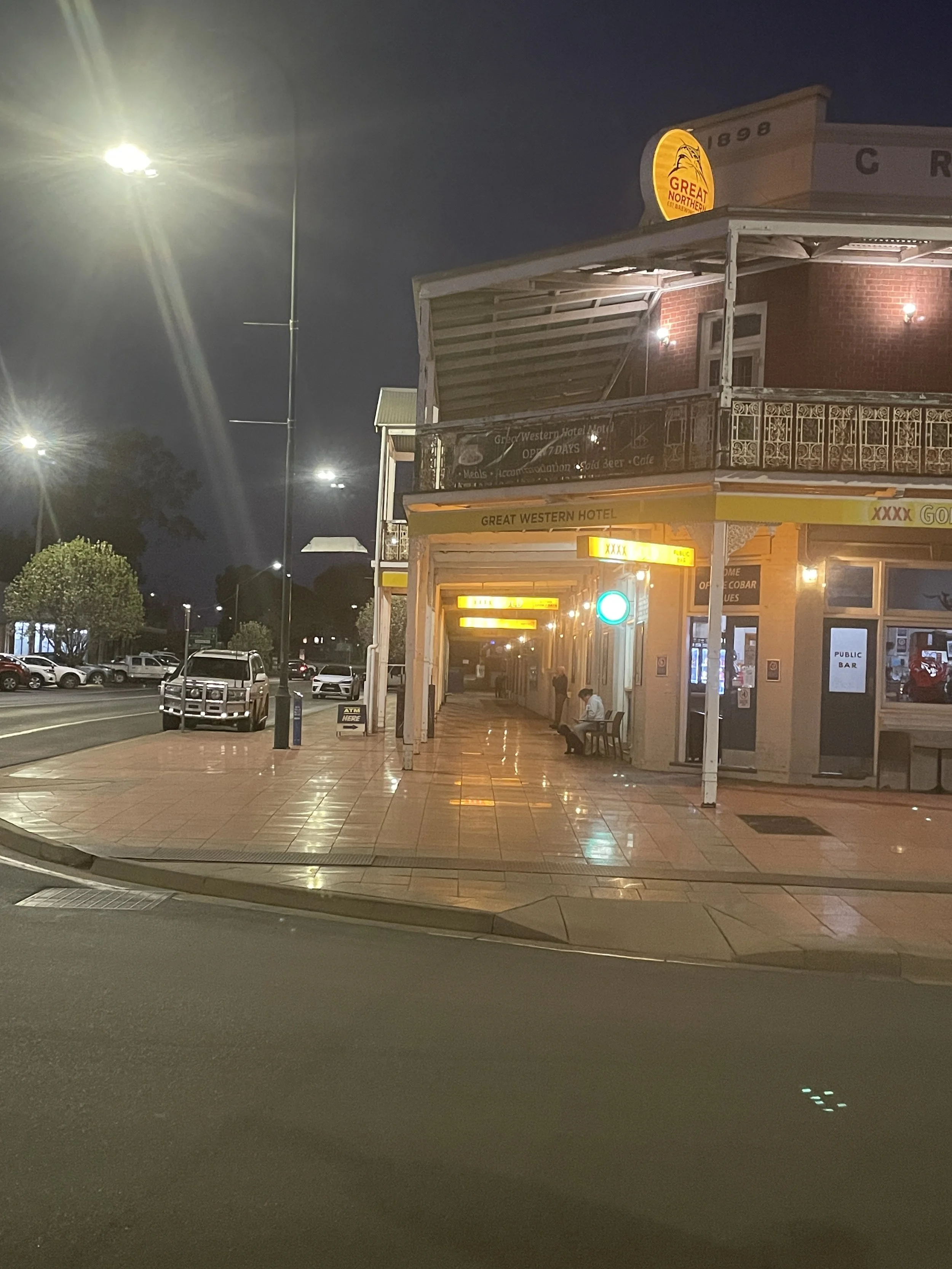
It was also a chance to connect with familiar faces and plenty of new ones — from across regional NSW, Brisbane and Victoria. Everyone seemed to have their own story about why they had come, and the journey that had brought them there.
And perhaps that was the real beginning of Reflections.
If you were there, I’d love to hear what you took away from Day 1.
Otherwise, stay tuned for Part 2 — Day 2 – Practice Regionally
Several photographs are courtesy of conference attendees, including Otto Henkell and the author.
Redmond Hamlett is a Director (Projects) at WHDA Design & Architecture.