Regional Architecture Association - Power in Community 2026 Experience - DAY 1 notes
Dear Readers,
I was fortunate enough to attend the Regional Architecture Association’s (RAA) “Experience” Power in Community, held in Guildford Victoria on the lands of the Dja Dja Wurrung peoples. It was held at the Guildford Community Hall, which – I believe – was famous for being the set of the police station in the Eric Bana film, The Dry. Guildford is also significant from an immigrant & local colonial history but I’ll talk about that on Day 2.
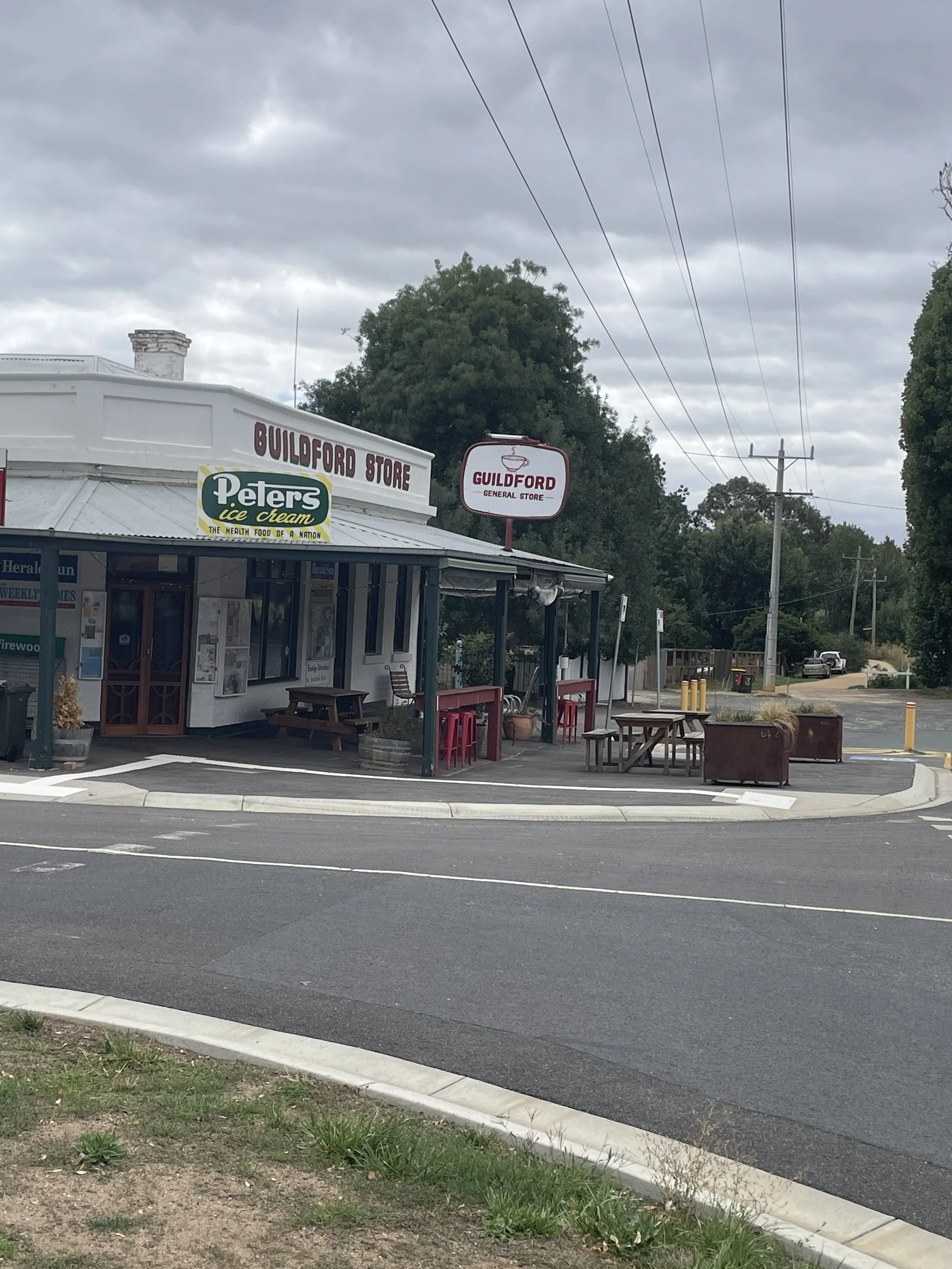
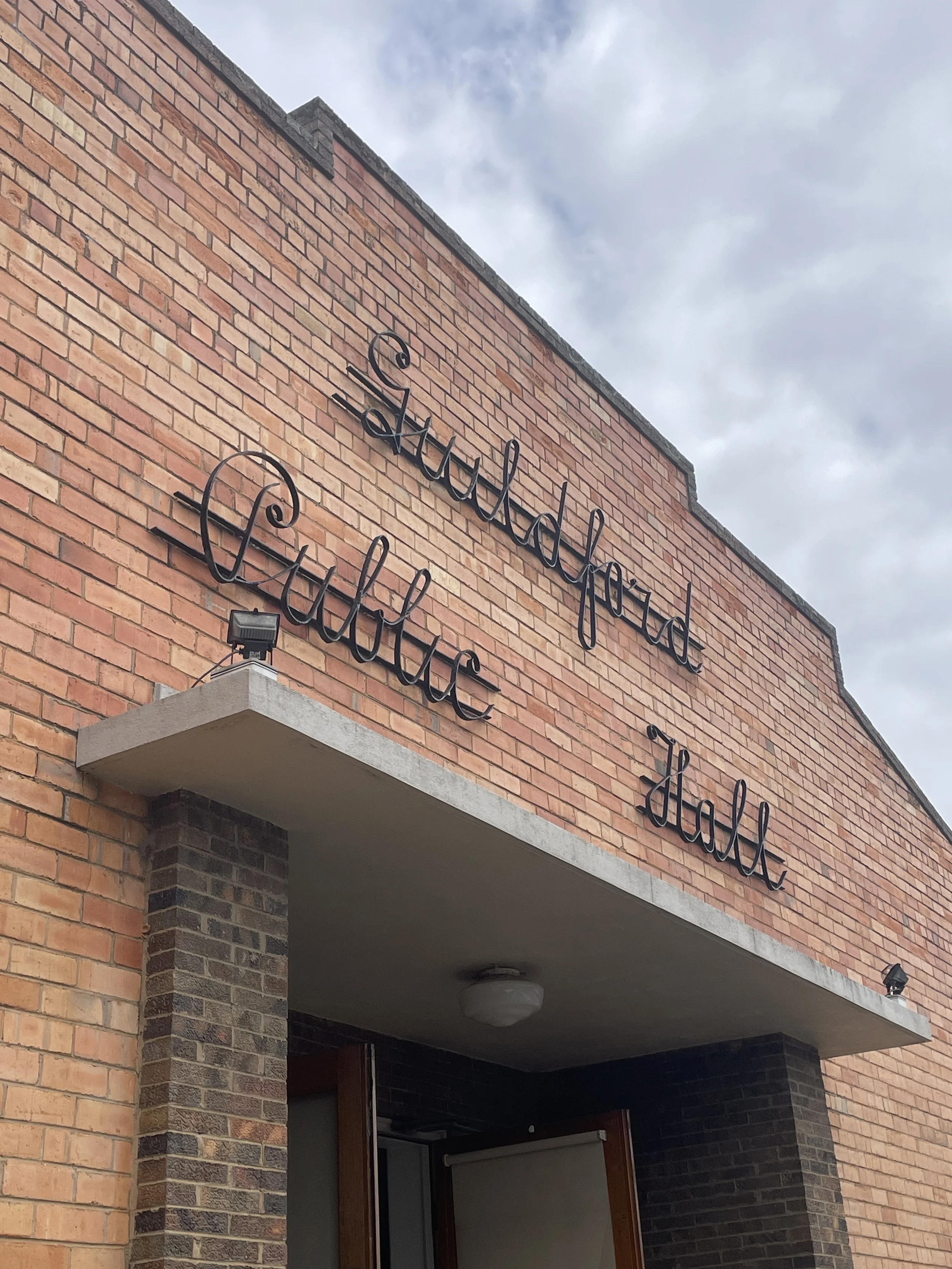
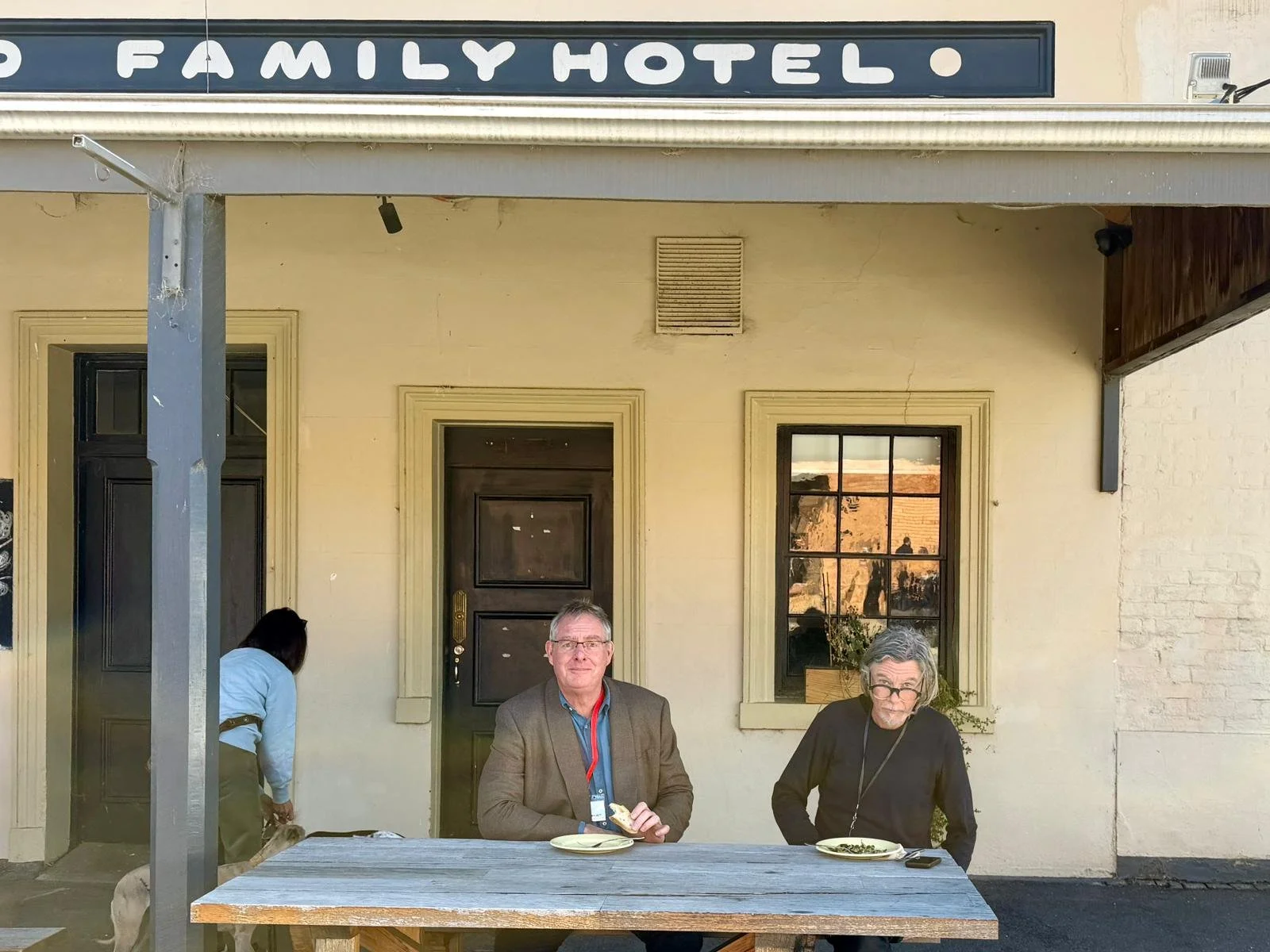
The RAA is a member-organization for architects located (and practicing) in Regional Australia, and as I understand something of a breakaway from the AIA (and others), being established in 2021 after the cascading local and international crises that we all experienced. At this “experience” (author’s note – it’s not a conference) attendees were mostly practitioners from small or solo architectural practices from all over the eastern seaboard, but predominantly from New South Wales in the south-west, south-east coast or mid-north coast. A few Central Highlands, Goldfields and Surf Coast Victorians were there, and yes – a handful Melbournians just like yours truly, so a diverse crowd.
This will be the first of three short recaps of each of the sessions, with my own takeaways and provocations. Dear Reader be advised that the theme and presenters for this conference is very different from most architecture conferences (ne experiences), and I’ll talk more about this later. Nonetheless you should be able to not learn about the works of others, but what ideas and themes you can take away with you and apply in your own practice.
@Rhiannon Slatter, hopefully my take is useful to readers but also for the RAA on future events, but also where to next on advocating for the interests of architects in the community at large, and the lessons learned from the community projects showcased in this experience.
Day 1 was part of the roving fringe events leading up to the main experience. Originally a tour at the Hepburn Energy Site (2040 Ballan Dayelsford Road, Leonards Hill VIC) was planned, but due to essential maintenance of one of the wind-turbine rotors a short talk was substituted instead. (Author’s Note – I could see the rotor’s being worked on as I was driving back home to Melbourne – so no begrudging on missing out the tour from me!).
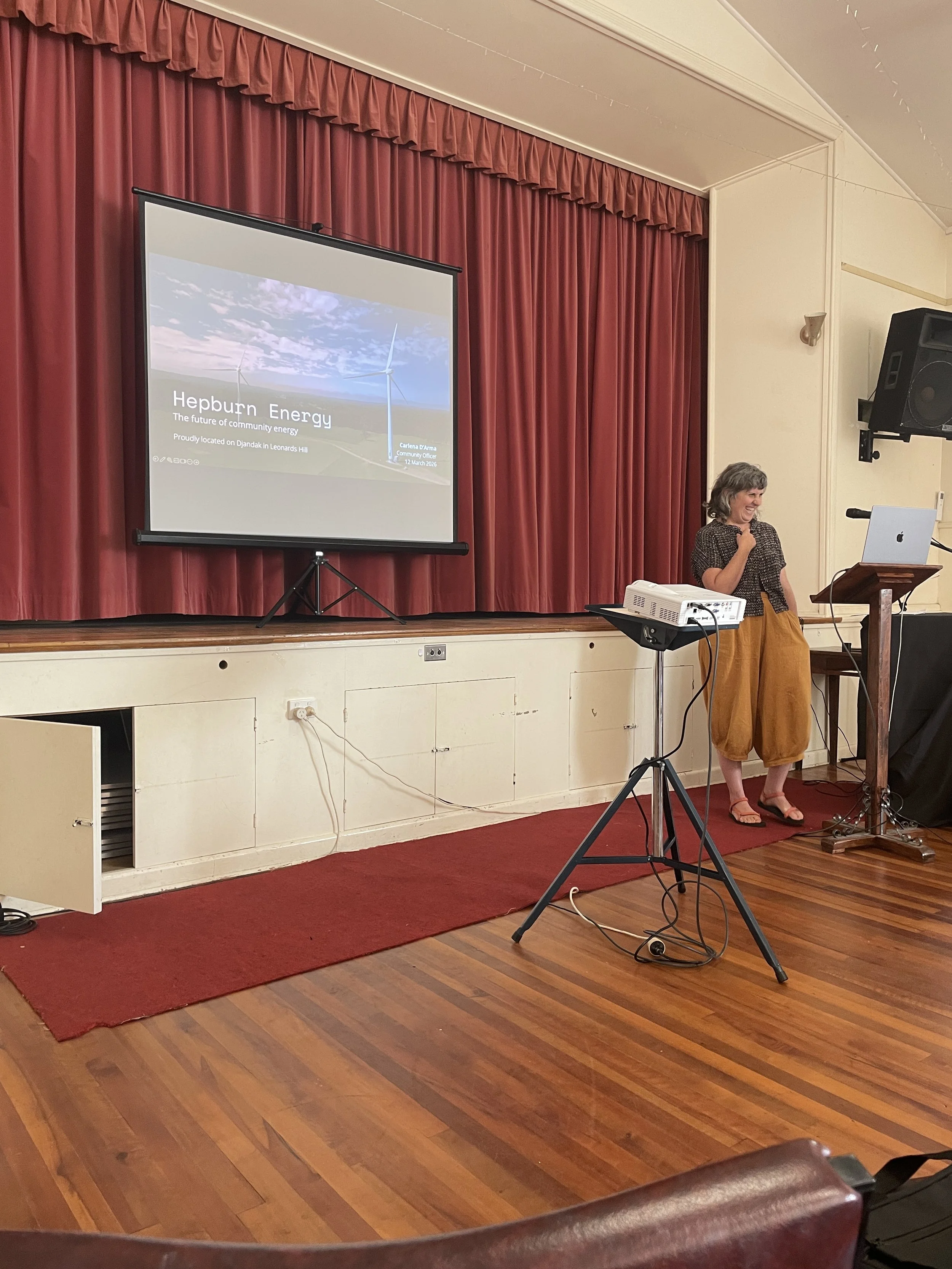
@Carlena D’Arma, the Community Officer at Hepburn Energy gave a short talk about the Clarks Hill Wind Farm Site. This entirely community-led and owned project started back in 2005 with the first two wind turbines (2.05 MW systems that generates up to 11MWh per year) finished in 2011. A project that was initially met with fierce backlash from farmers and local residents concerned about impact on local wildlife (and missed economic opportunities!), but soon learned that story-telling and regular community engagement helped to start dispel misinformation, build momentum, capital raising and navigating corporate governance, volatile energy markets, being able to connect into the energy grid, constantly refined legislation on energy distribution, and sensitive planning and design of climate-change offsetting infrastructure on arable land.
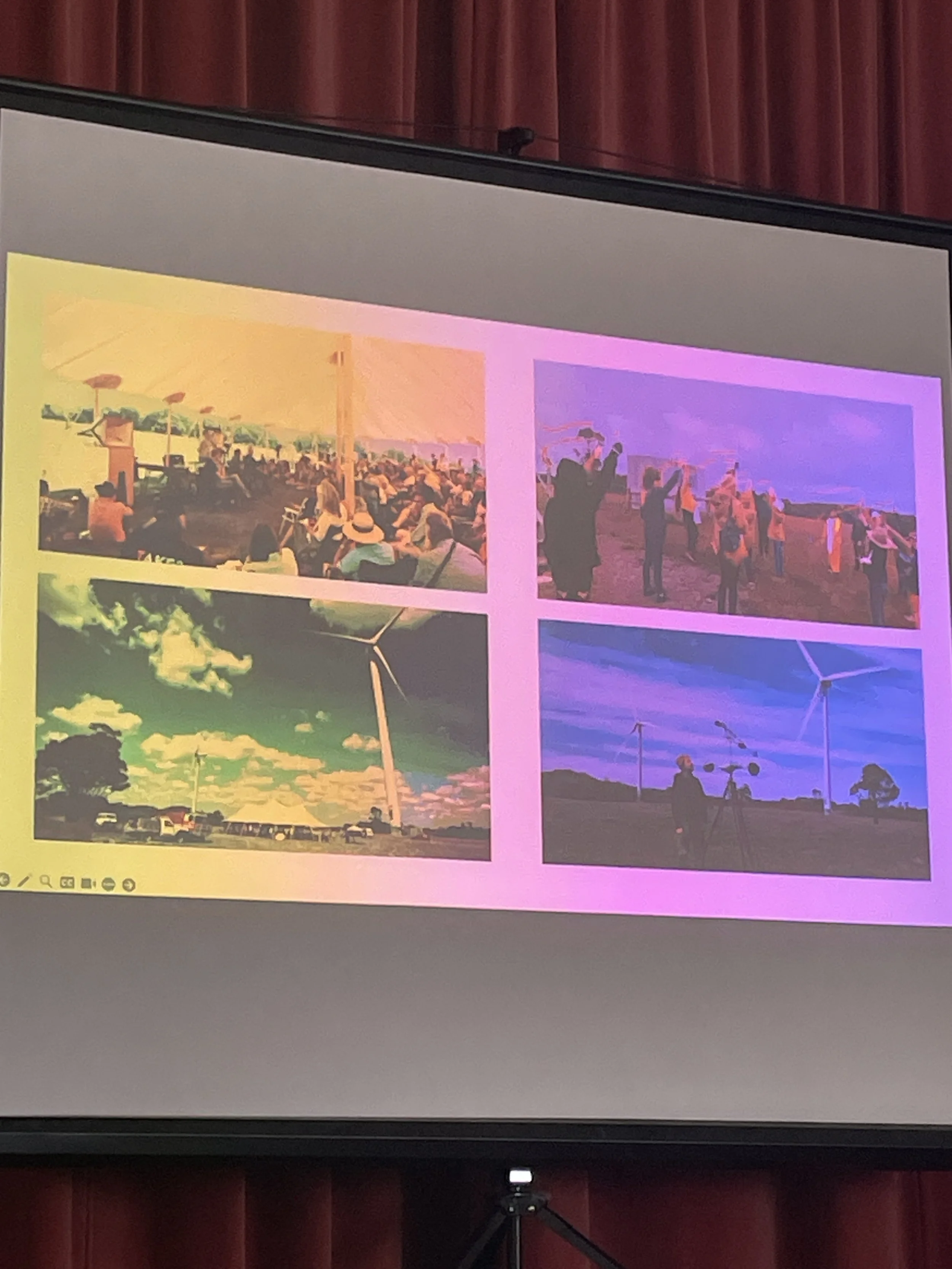
The local community backers saw the motivation behind the project simply – that climate change is an opportunity. From what was a small community co-operative is now a structured community corporation with governance and shareholders of just under 2000 members.
To put this project in perspective, the HE project is worth some $6.2mil in community-value, and some $320,000 in community projects and donations has been leveraged since being commissioned. Currently there are more plans including a 5 MWh Solar Array and two 5 MWh batteries on site (plus a handful of charging stations located around the Hepburn Shire), education programmes and home-energy assessment with Hepburn Shire Council, and not to mention a local Community Offer (to purchase energy direct rather than through a wholesaler).
During the discussions and questions and answers, D’arma mentioned that the rate of return for community investors is quite modest, but that’s not the point of joining or supporting HE. It serves as a piece of community infrastructure that supplies energy to the grid (and is paid for this).
One member of the audience queried the speed of delivery of HE’s projects – why not have say State Government (or a wholesaler) as a part-owner to a project such as this. D’arma responded that their role would be limited to facilitating approval only. And maintaining independence is important for HE members. The risks of the project being diluted between community and government ownership could not be offset by the potential speed of delivery. In other words, being true the project’s original intent matters more than the time of its delivery and the benefit it offers. This sets aside the incremental changes in the feed-in tariffs that were previously on offer and now reduced, potentially impacting the rate of pay-back to community investors over the last 14 years which no doubt have been felt.
The author confesses this is wildly off topic for him, however, he was reminded of Saul Griffith’s Quarterly Essay No. 89, “The wires that bind – electrification and community renewal”, which gave an impassioned plea, but also economic rationale for why more solar and wind generation should be developed at a local level. There are several examples of community electricity projects, but if “climate change is an opportunity” then surely the compromise of having say State Governments (or corporate investors) as partners would bridge the time and design-process to get projects like these up quickly, and importantly offsetting (and removing) carbon emissions from legacy power generation. In other words, it would be a good compromise to make as it tackles the problem and delivers a solution! Well, stay turned for Day 2 and you’ll read another perspective on a similar community-led energy project and their experience in doing this.
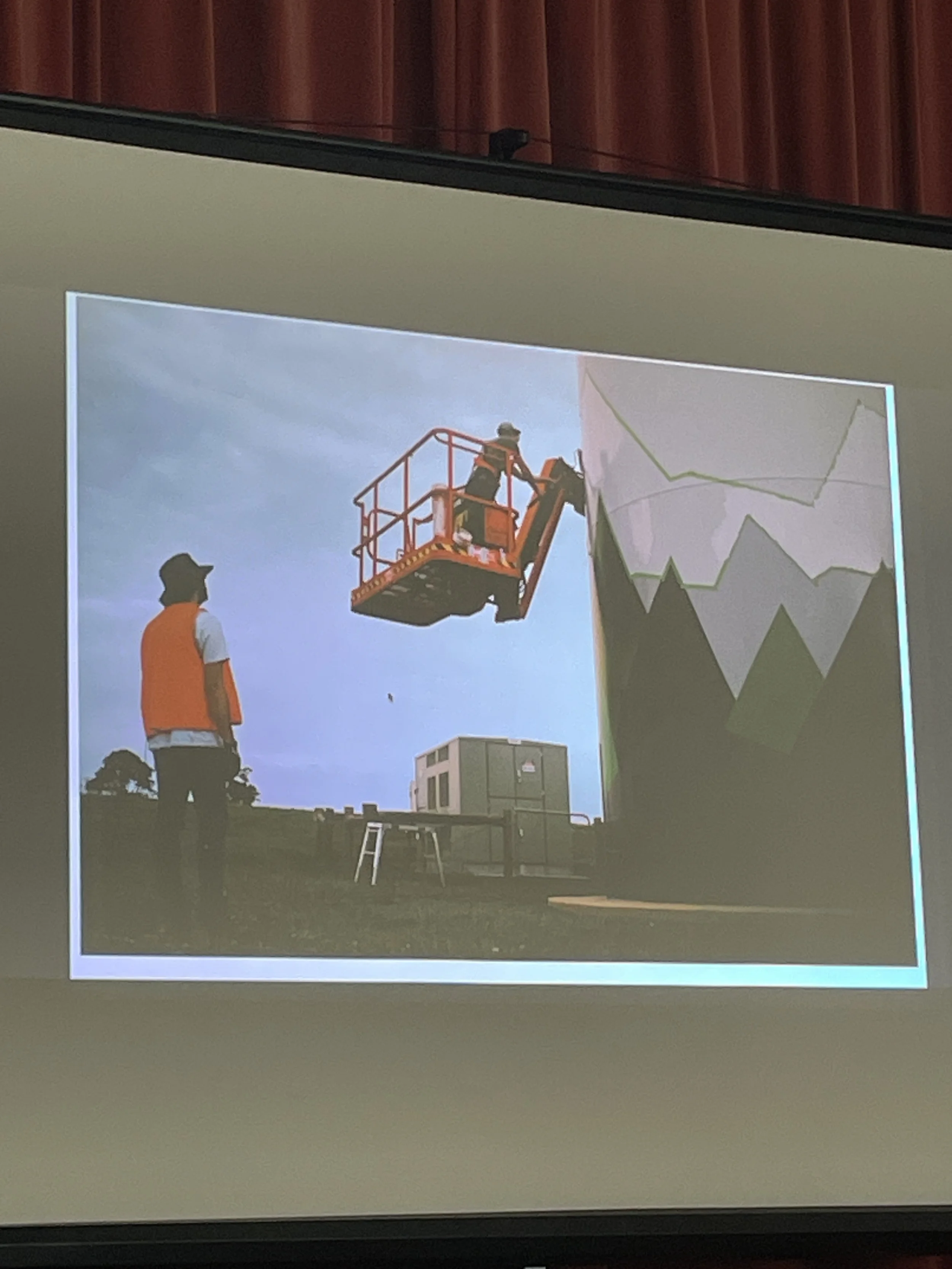
For the last session of Day 1, David Booth, aka @Ghostpatrol gave a short presentation about his artistic work, but also on the graphic design work for HE’s two turbines (Gale and Gusto) and he battery (Bessie).
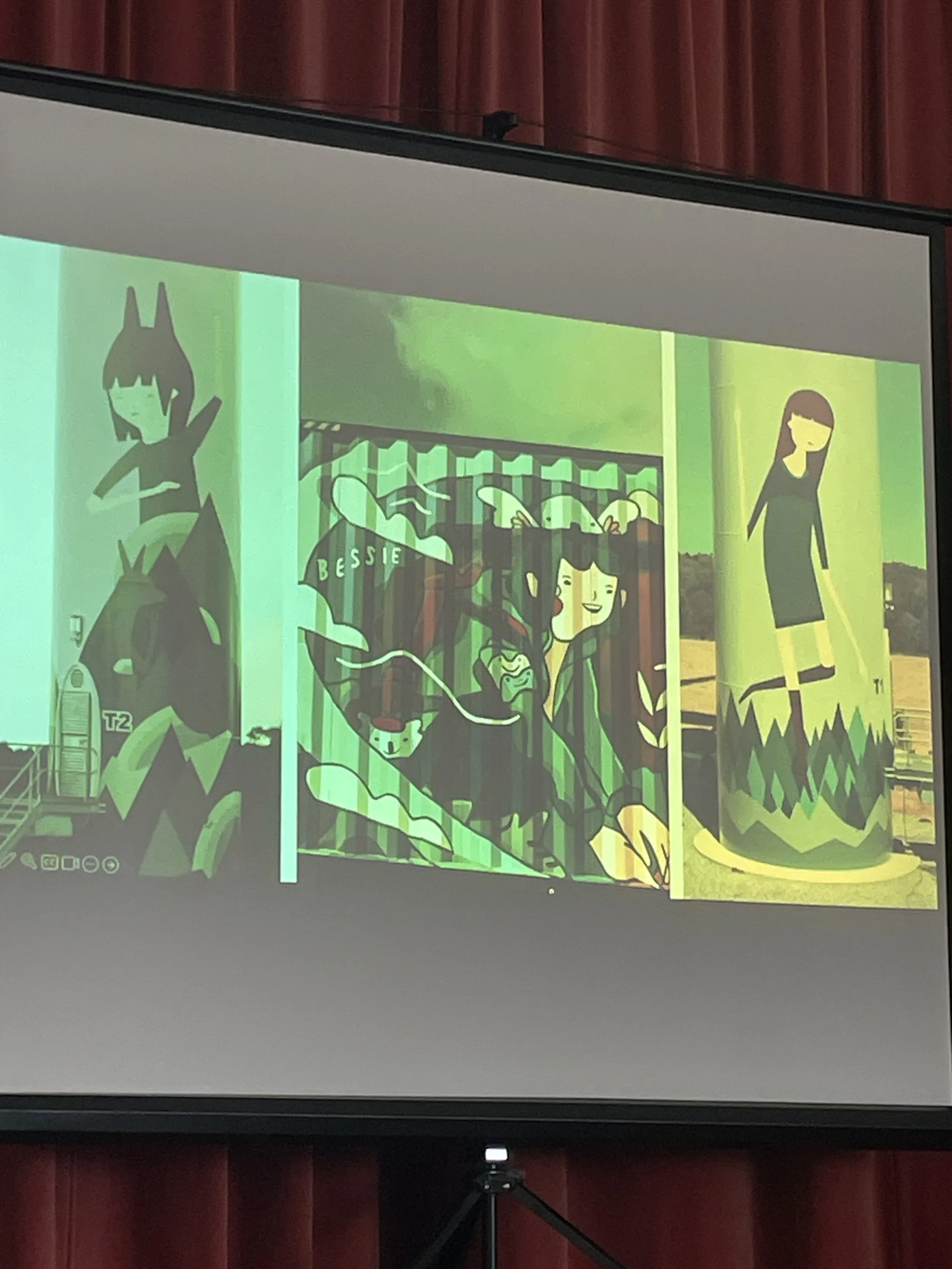
HE project, David Booth
You have definitely encountered Booth’s work, maybe in a Melbourne laneway, at the Melbourne Museum kid’s exhibition, or… on a postcard or tea-towel you gifted to a friend for their birthday. David described himself more like a ‘professional child and wizard who keeps searching for experiences of joy and wonder’. The basis for the former Hobartian (Lutruwita Country) and once IT Professional’s work is simple, (and these are his words not mine):
Just Do It! The act of drawing is like play, and because of this drawing creates magic.
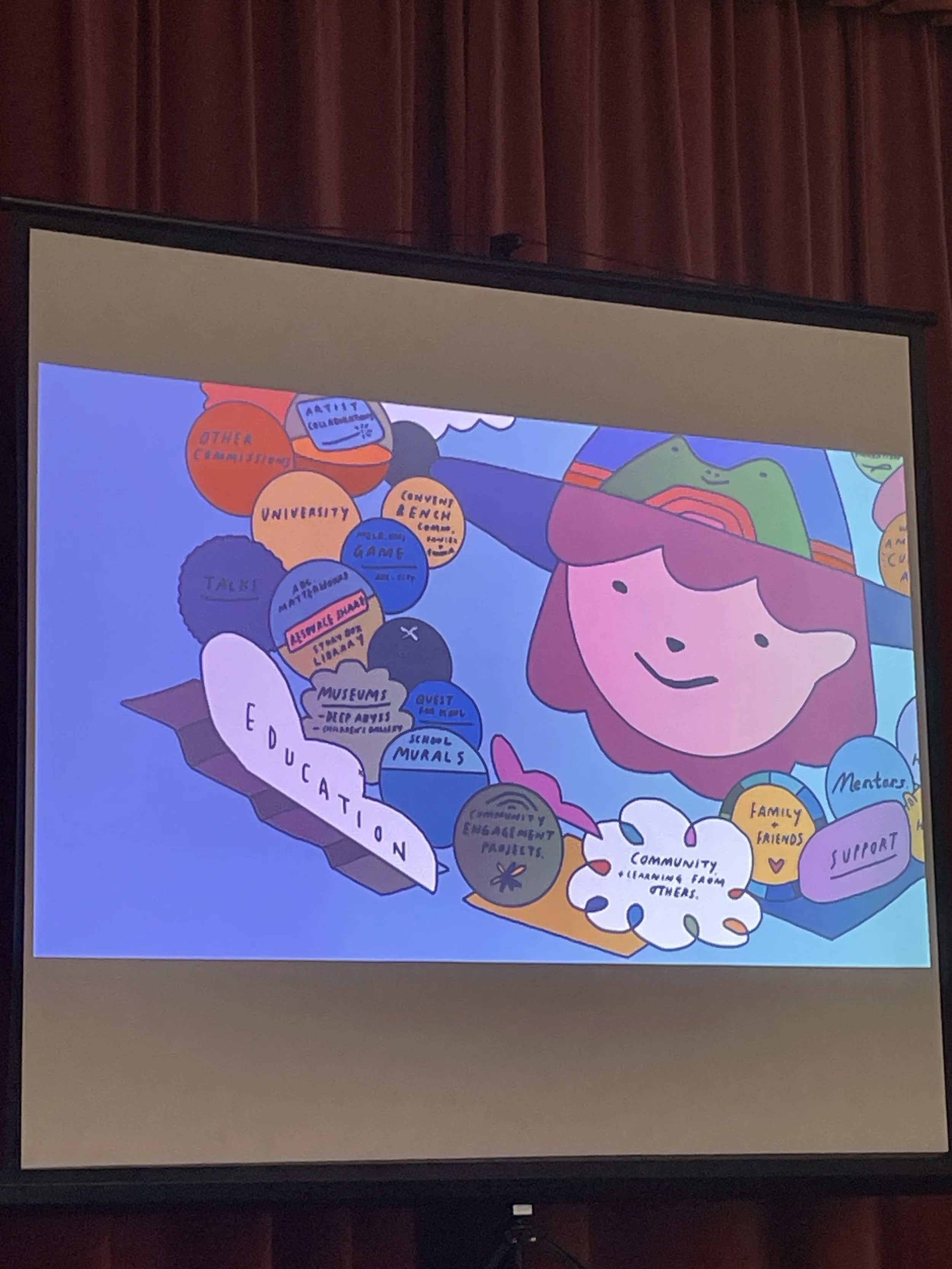
That’s it! Heavily inspired by punk music scene (Washington DC hardcore scenes in the 1980s) in the act of creating without license or any societal-understood steps. Just jump right in and do it! The intent of Booth’s work is to somehow get the viewer to see themselves. And in this way, through his body of work, both unsolicited (graffiti), and commissioned was able to humanize spaces and buildings.
Often Booth says “no” to the wrong type of client and says “yes” to ideas that he hasn’t even worked out that he can even do or arrange himself. See above punk DIY just throw yourself in and work it out along the way, practicing bravery and resourcefulness. The act of creating commissioned artwork, either for developers, government or community groups exists within a project-management style framework where the art process and execution is but one element. For example working on the Hepburn Energy Turbines was not without risk management, safe work method statements (SWMS, sound familiar) and contract writing. Not to mention existing in a supporting art community, such as Melbourne. Booth expressed his own admiration for Shinto spiritualism in having faces on objects everywhere, and sees some of what he does, including on the HE towers and battery as an act of creating spiritual connections between humans and daily life.
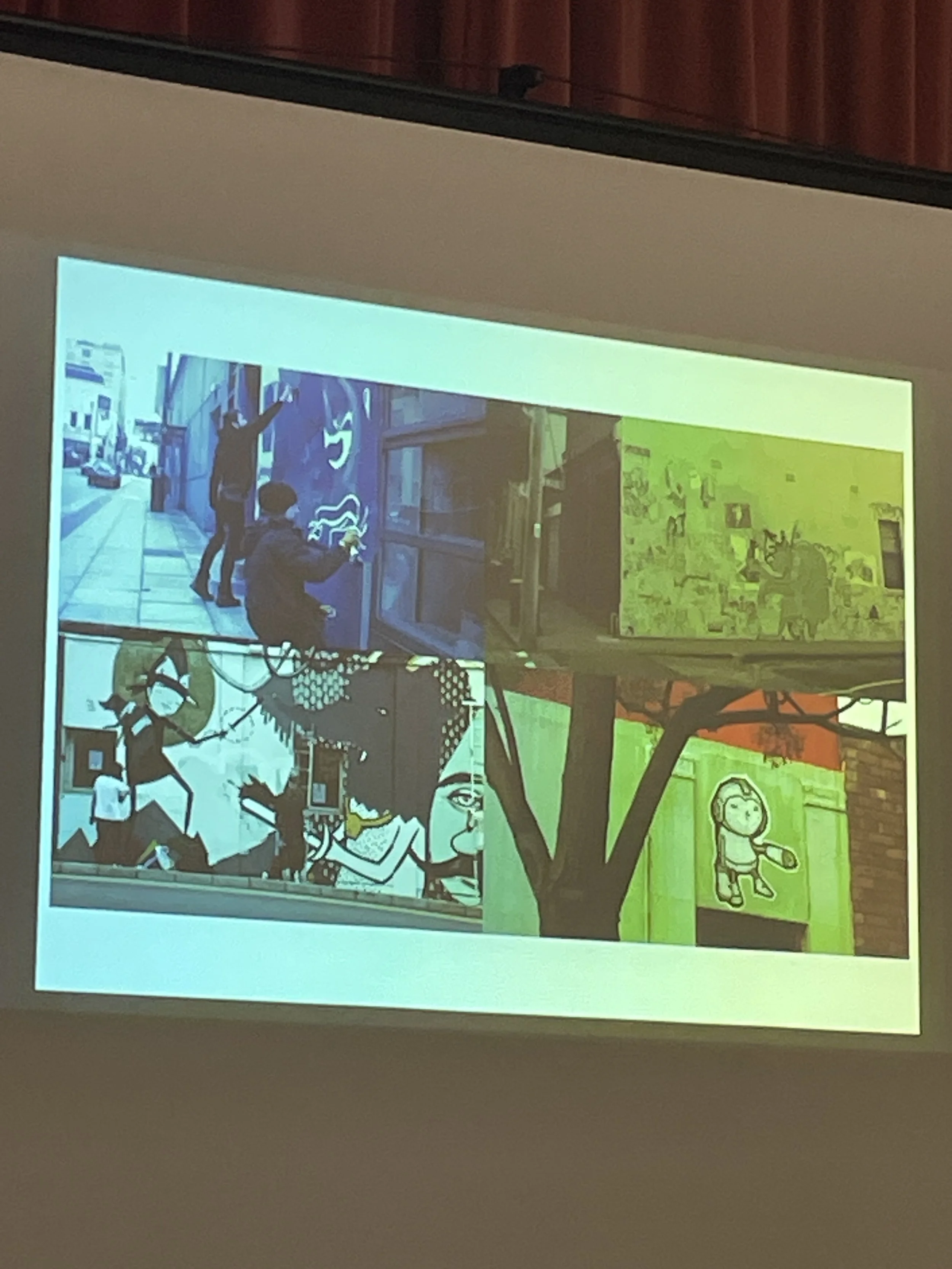
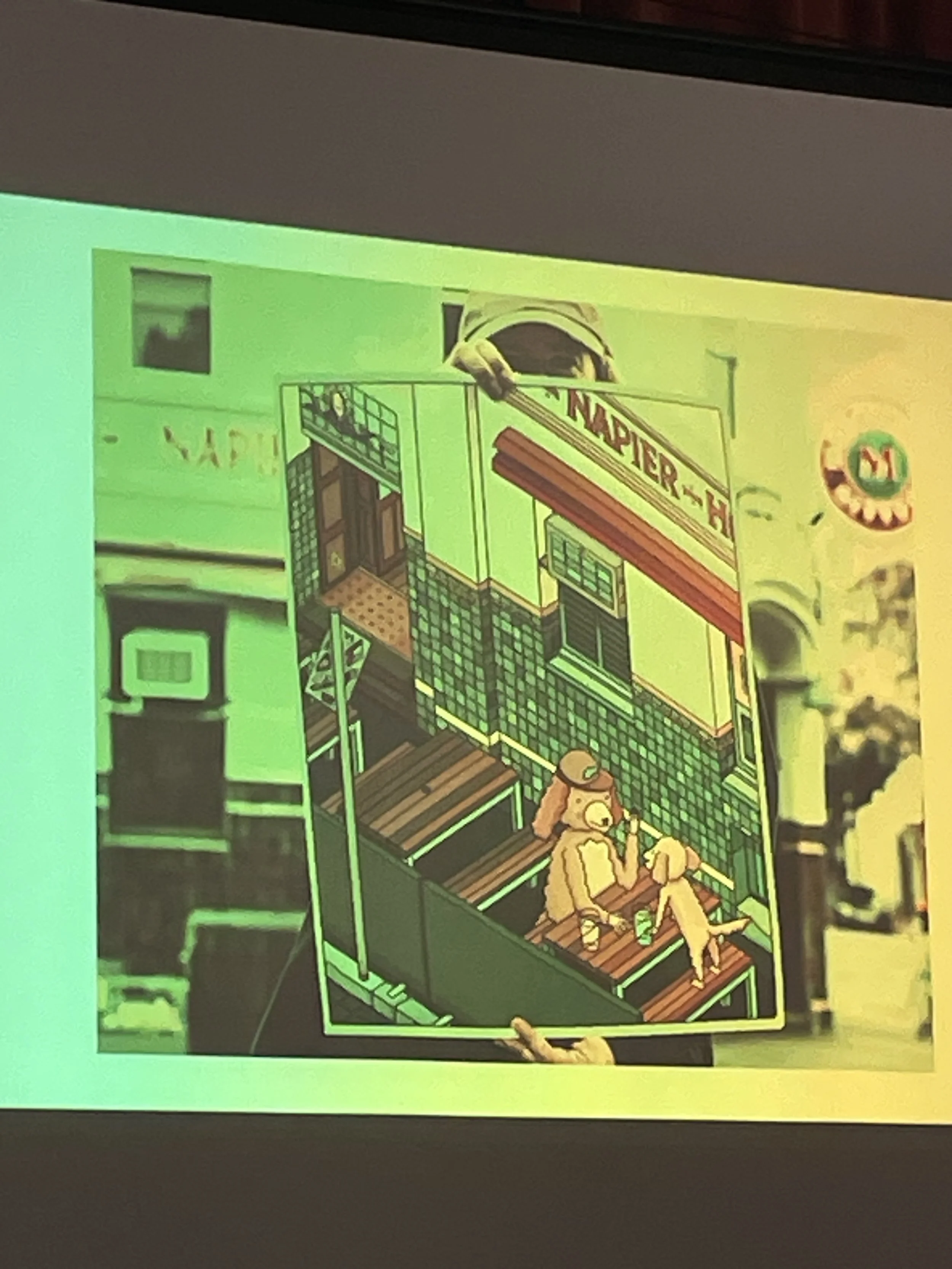
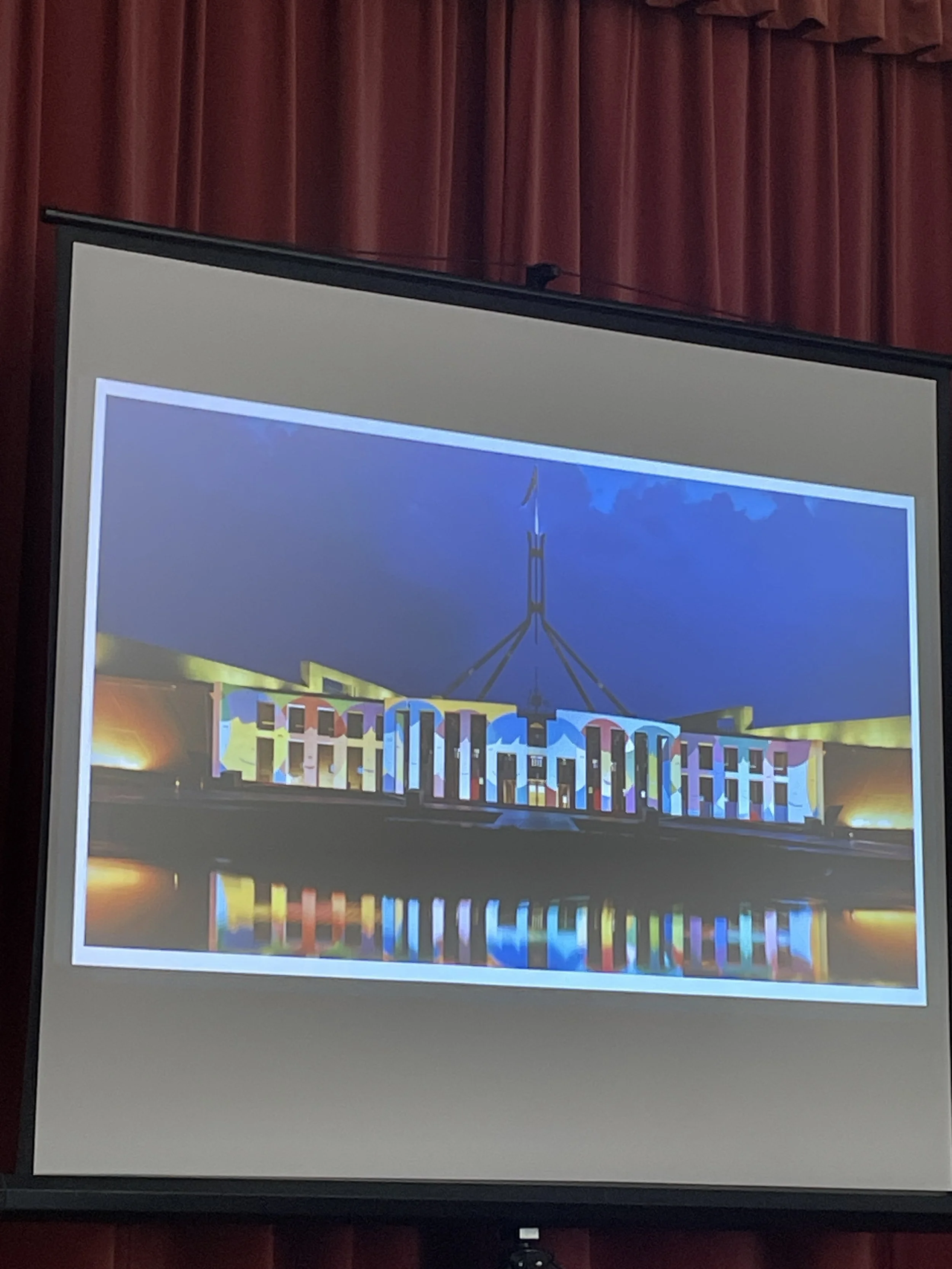
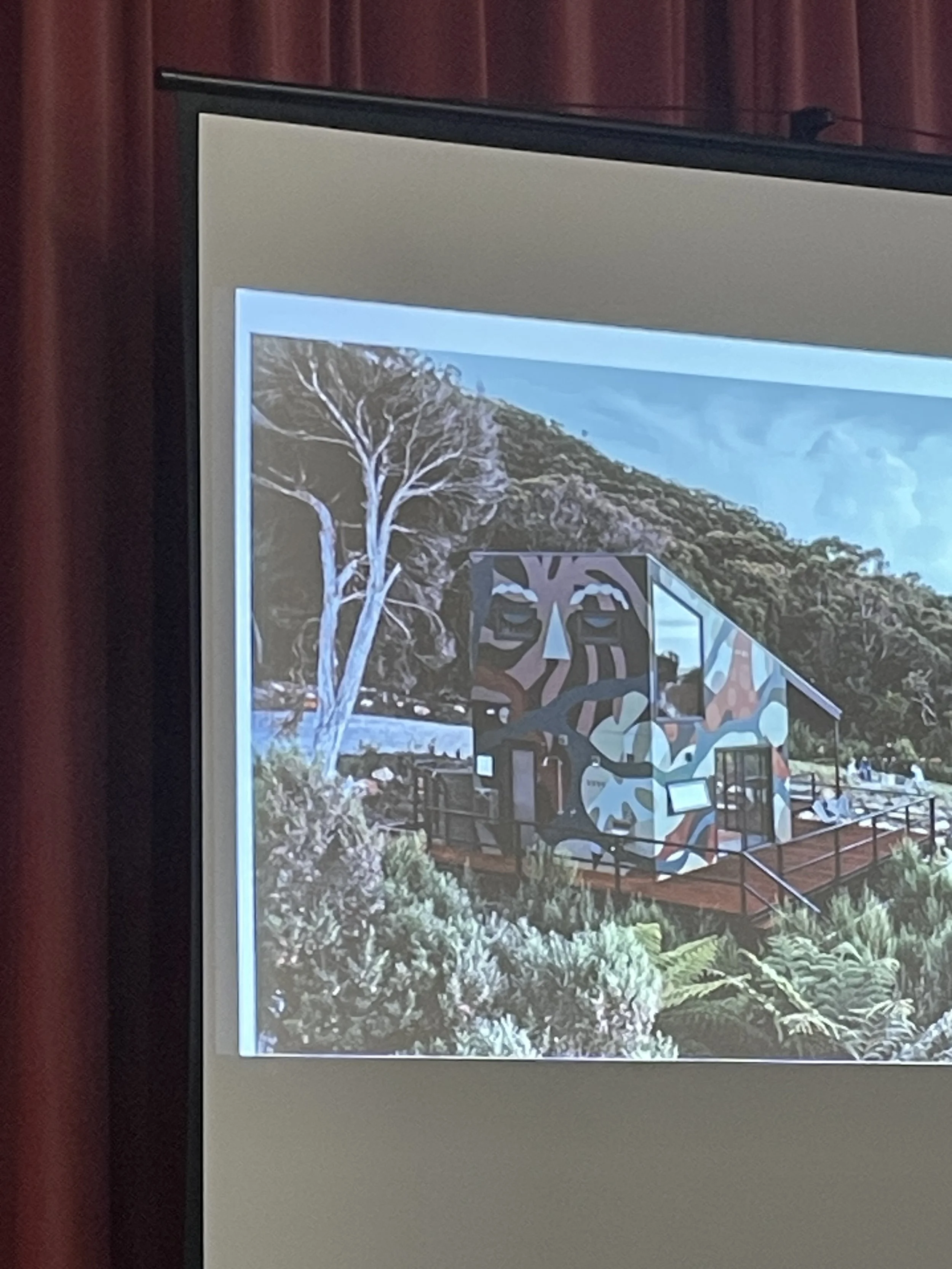
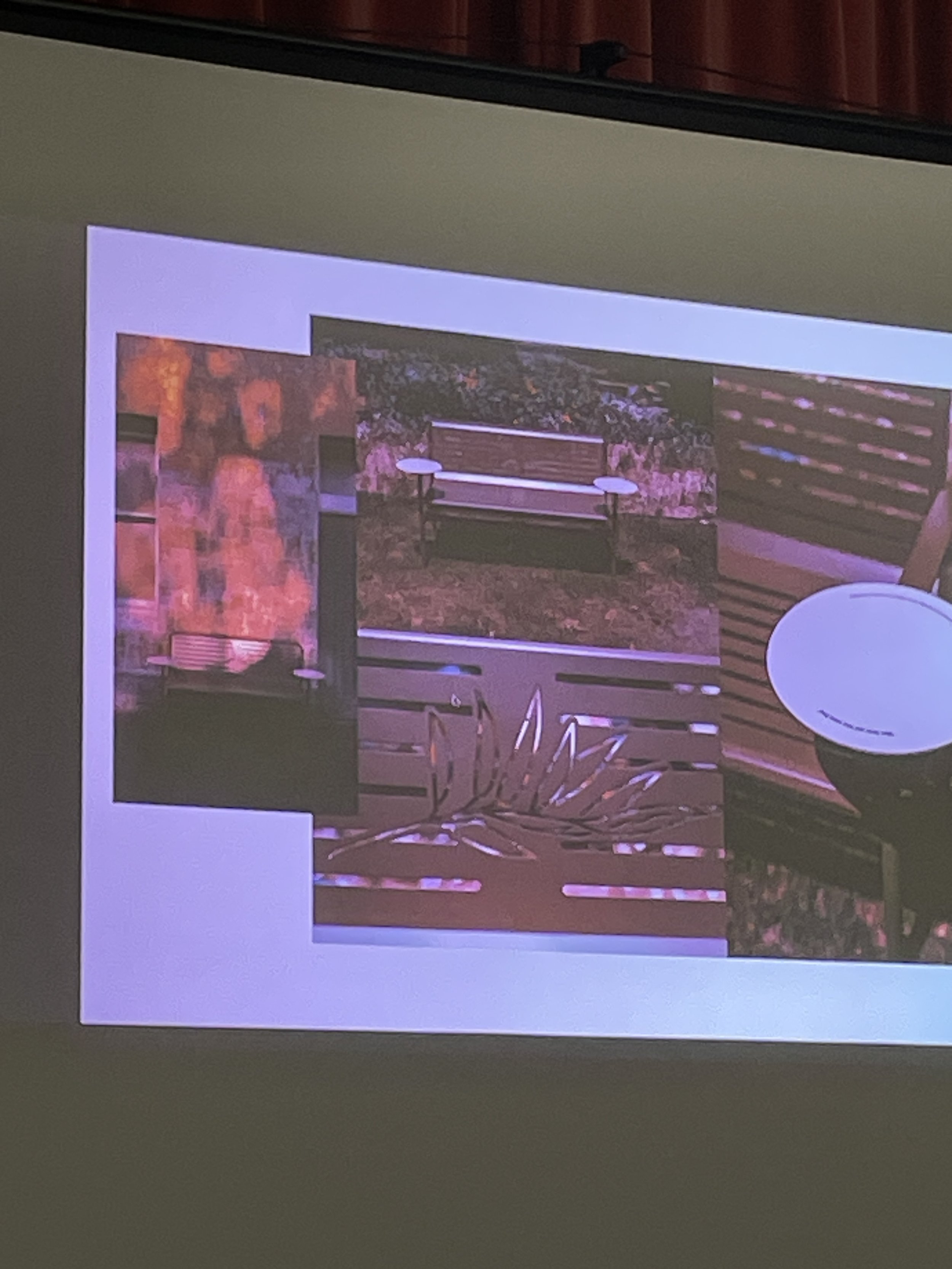
For me as a viewer, there is something whimsical and I do agree with him, “magical”, most of his murals have smiling children, activity, over-large faces looking back at the viewer trying to share something. Again, way outside of my expertise, I’d say Booth’s artwork on a musical level (if such a thing is possible) has more to do with The Avalanches, children and angelic voice samples, beat loops and songs about the vulnerability of everyday life. David’s interest in isometric layouts as well as “filling” his pages with lots of systems, and livelihoods living alongside each other I suppose is one way to remind the viewer of the many systems they exist within.
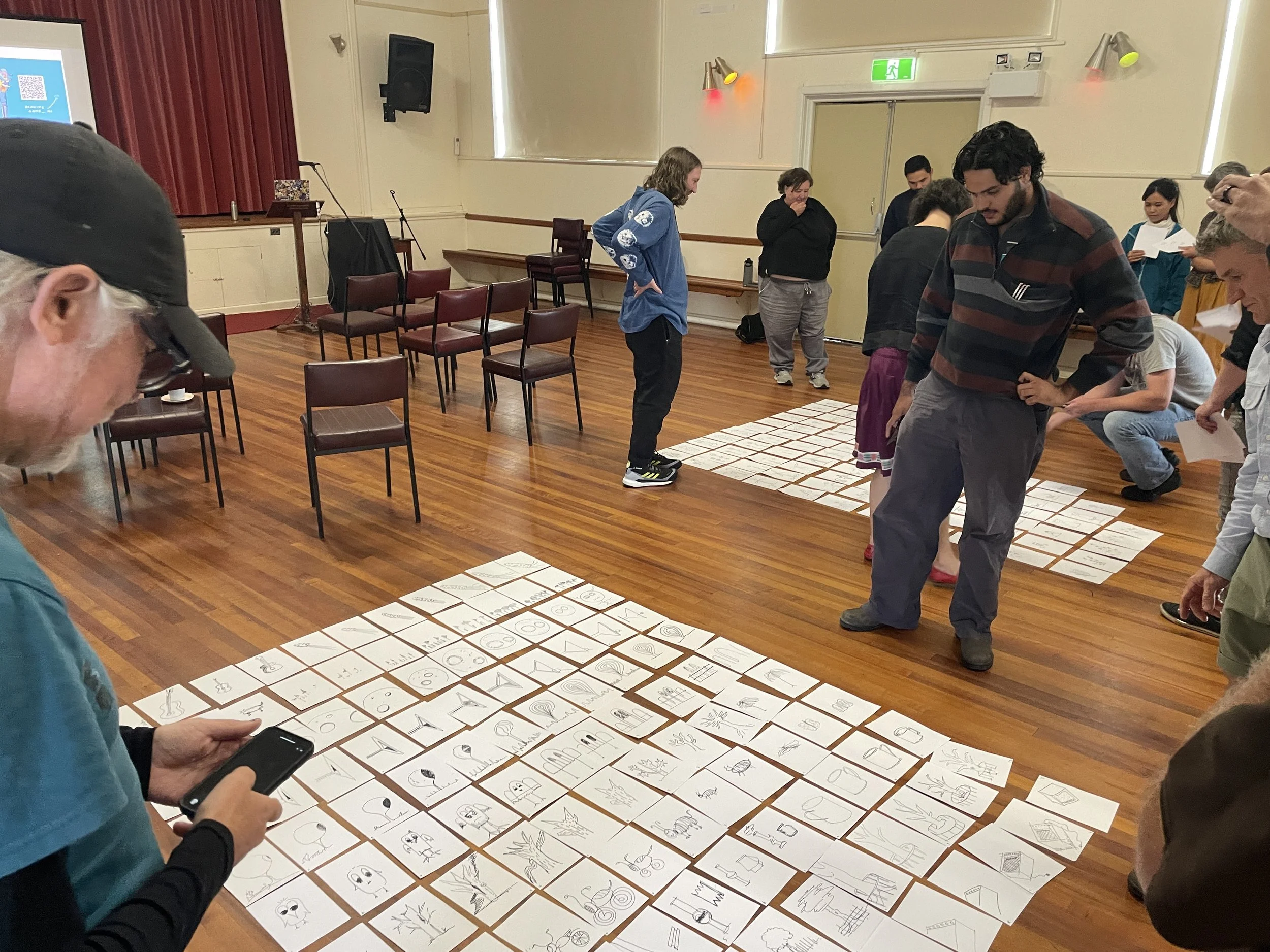
Now Booth came prepared the audience participation segment for the conference. All 30 of us or so got to play The Drawing Game. (David normally plays this with his friends, after a few drinks – we set the drinks part aside at the conference for now). This was exceptional fun! I’m going to take this back with me for our office, my family and maybe my next University teaching gig as a “getting to know you” icebreaker.
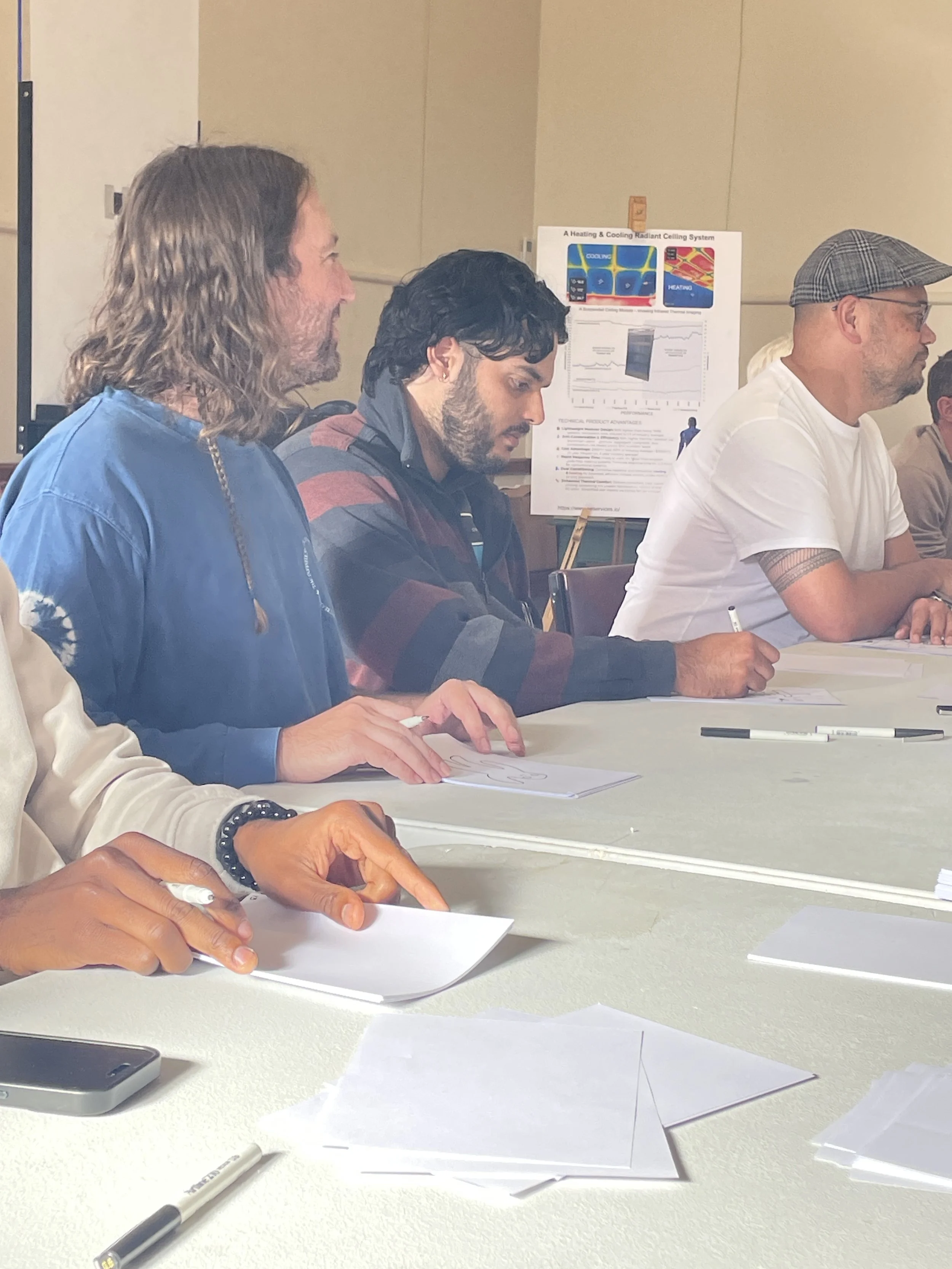
David Booth reassuring us that everything will be fine, and our drawings will be great!
I’ve shared a few shots of what the room put together, and you can see that what starts out soon changes very quickly. Even very simple designs morph into something else. I drew a head of a mech-design from a videogame that I’m very fond of, and it had a life, death and rebirth of it’s own – which was astonishing!
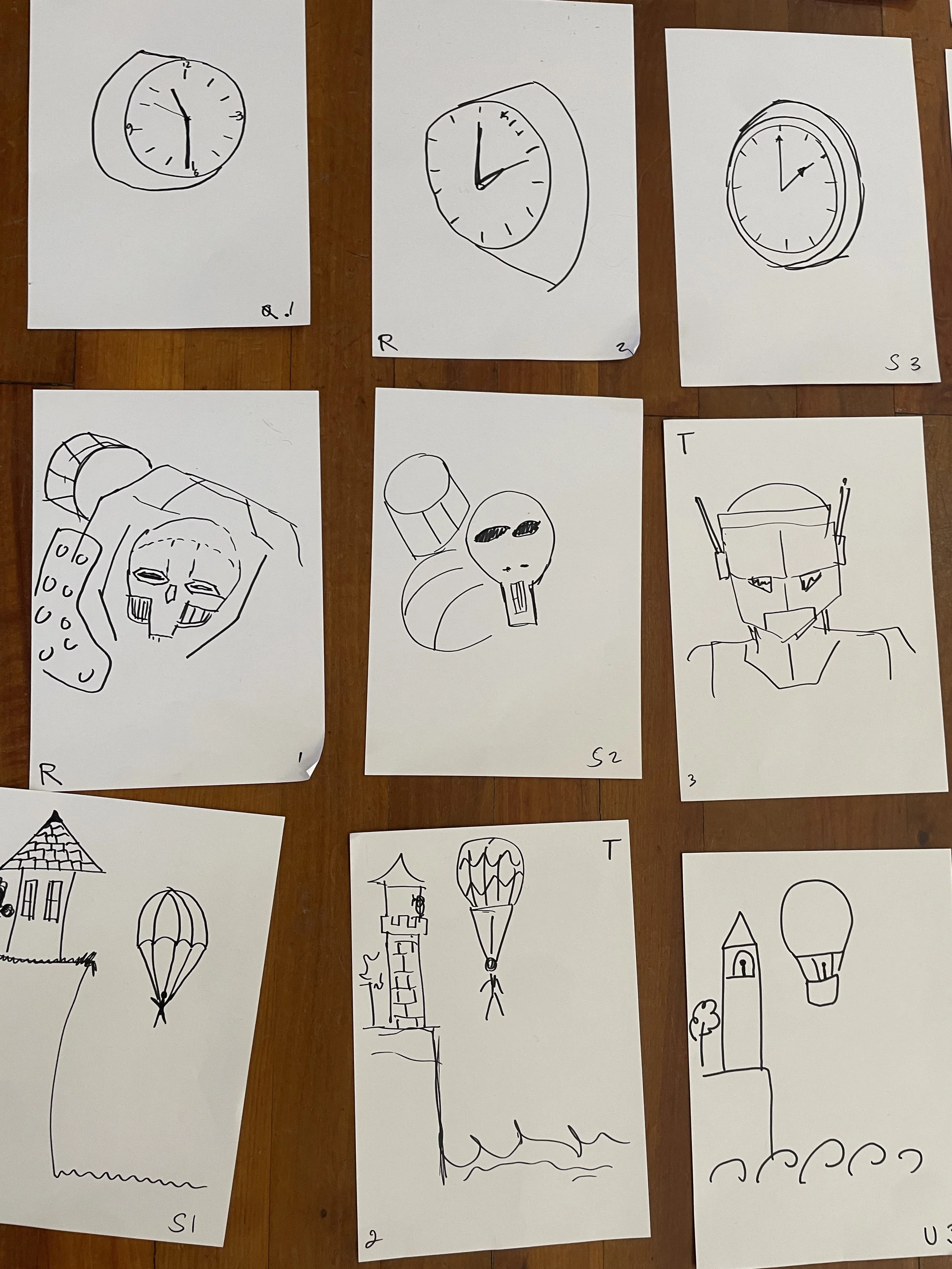
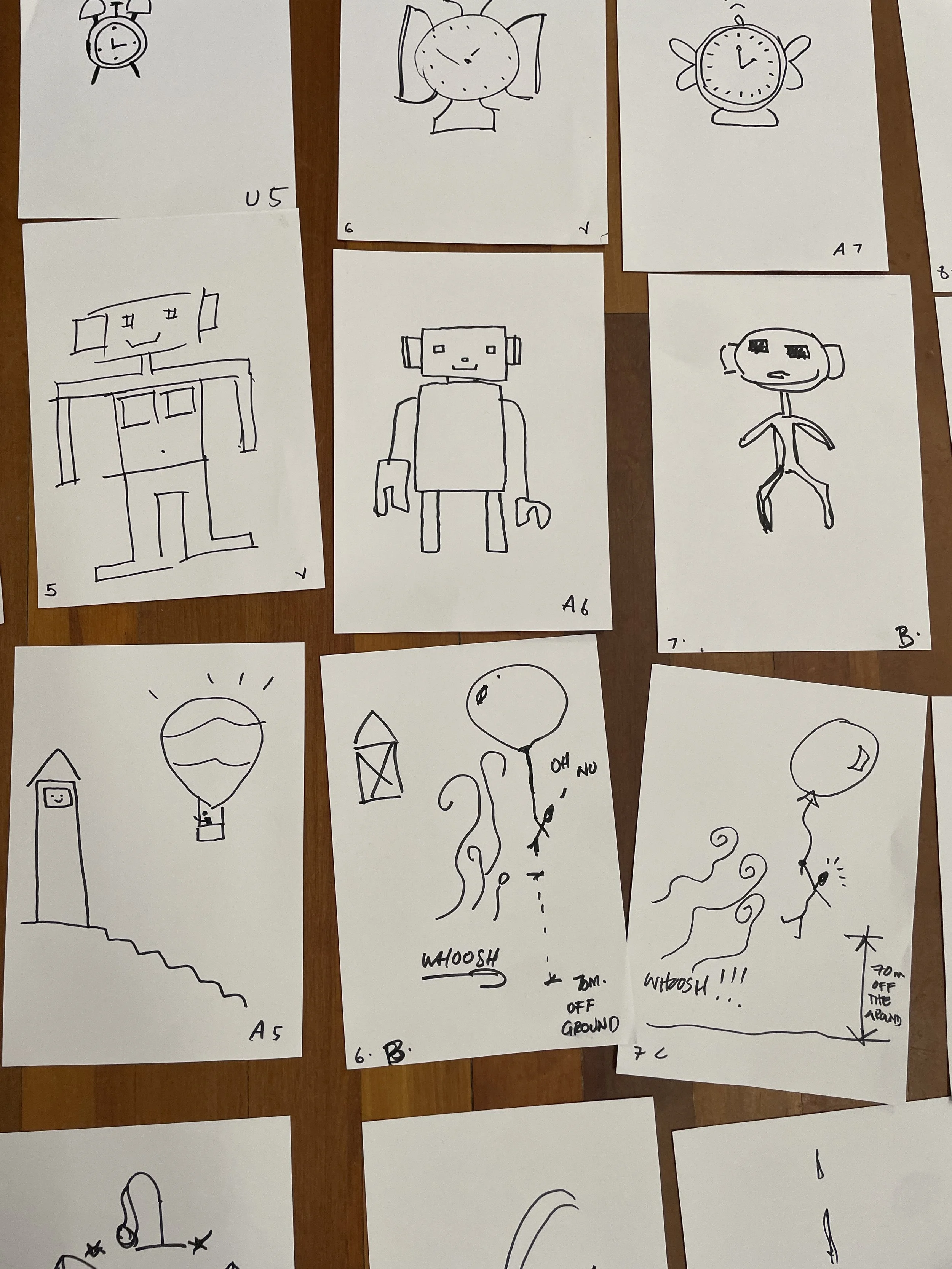
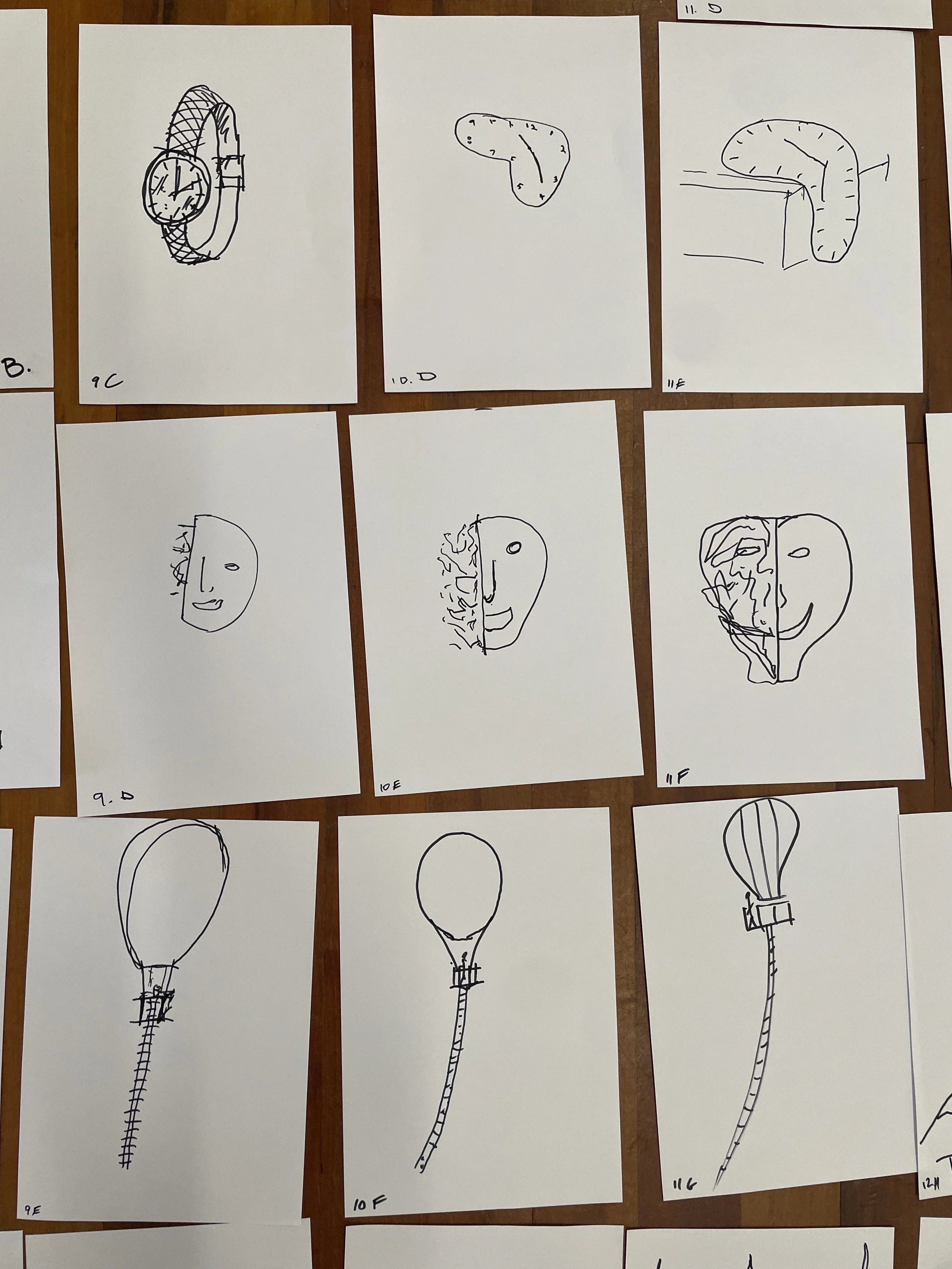
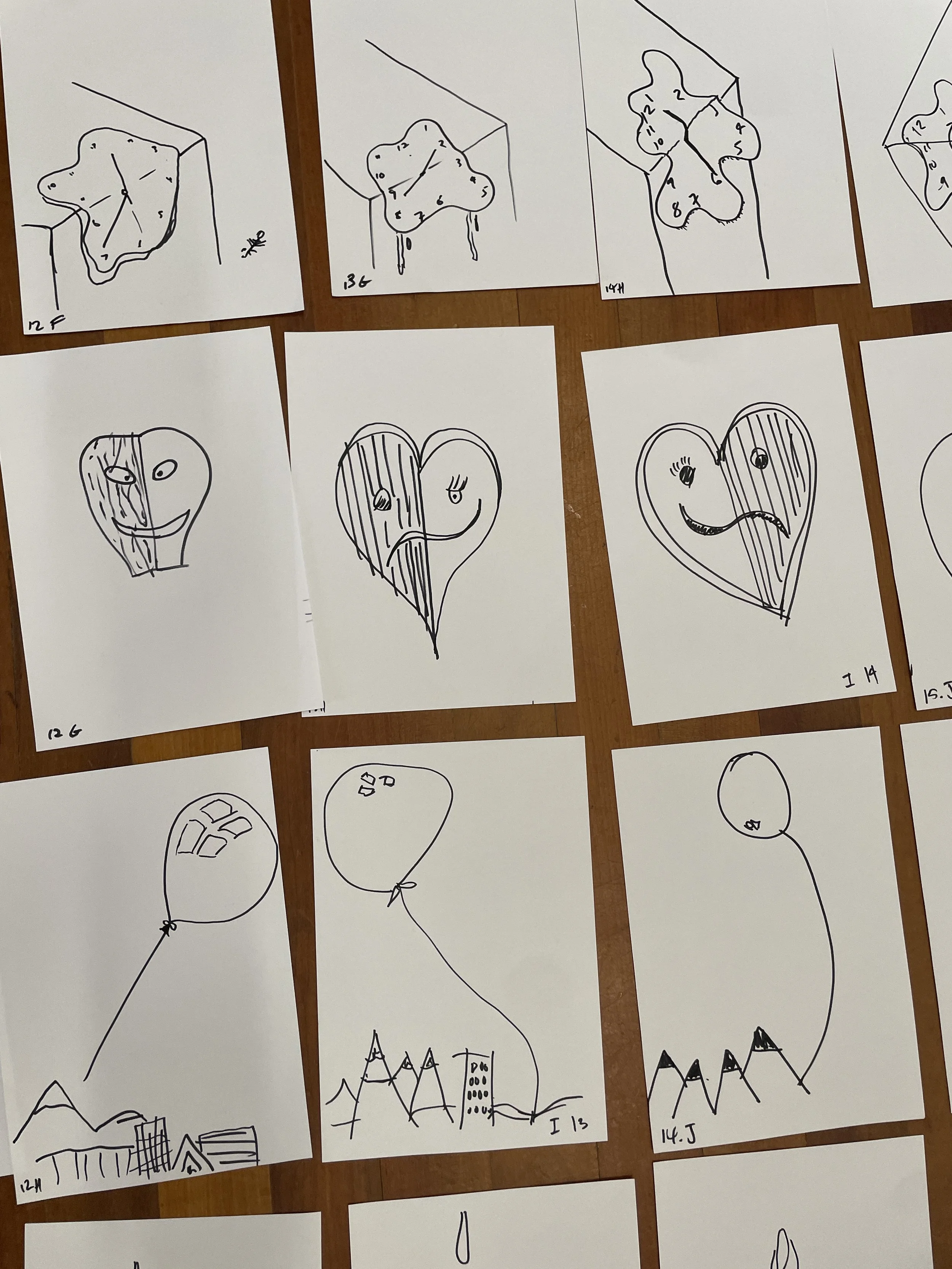
The point of this exercise was to let go. It follow’s David’s intent that art can be temporary, it can be painted over and redone in any amount of different ways – as this drawing game demonstrated. What does it mean for us design and architecture professionals? Just draw! Even if your first idea isn’t that good or finished, just do it! It was a great reminder and the whole room experienced joy in doing this.
Well, a lovely dinner at the Five Flags Hotel in Campbells Creek and some excellent networking, that was Day 1 of the RAA’s experience Power in Community. Quite different from most architectural conferences thus far, but a good start in good collegiate company.
If you were there, let me know what you thought. Otherwise stay tuned for Days 2 and 3, and thanks for reading.
**Several of the photos with thanks to attendees at the conference including Marcus Piper and the author.
Redmond Hamlett is a Director (Projects) at WHDA Design & Architecture.